If you’re running pay per click advertising campaigns in 2026, you’ve probably noticed something: the game has completely changed. Traditional PPC management—setting budgets, choosing keywords, writing ad copy, and hoping for the best—isn’t delivering the returns it used to. Your cost per click keeps climbing while conversion rates stay flat. Meanwhile, your competitors seem to be getting better results with less effort. What’s their secret? Many are already using agentic reasoning to transform their Google Ads management approach.
Agentic reasoning represents a fundamental shift in how artificial intelligence makes decisions. Unlike basic automation that follows pre-set rules, agentic reasoning allows AI systems to think, plan, and adjust strategies autonomously based on goals you define. For South Florida business owners managing PPC campaigns, this technology is no longer futuristic—it’s essential for staying competitive in 2026.
What Is Agentic Reasoning and Why Does It Matter for PPC?
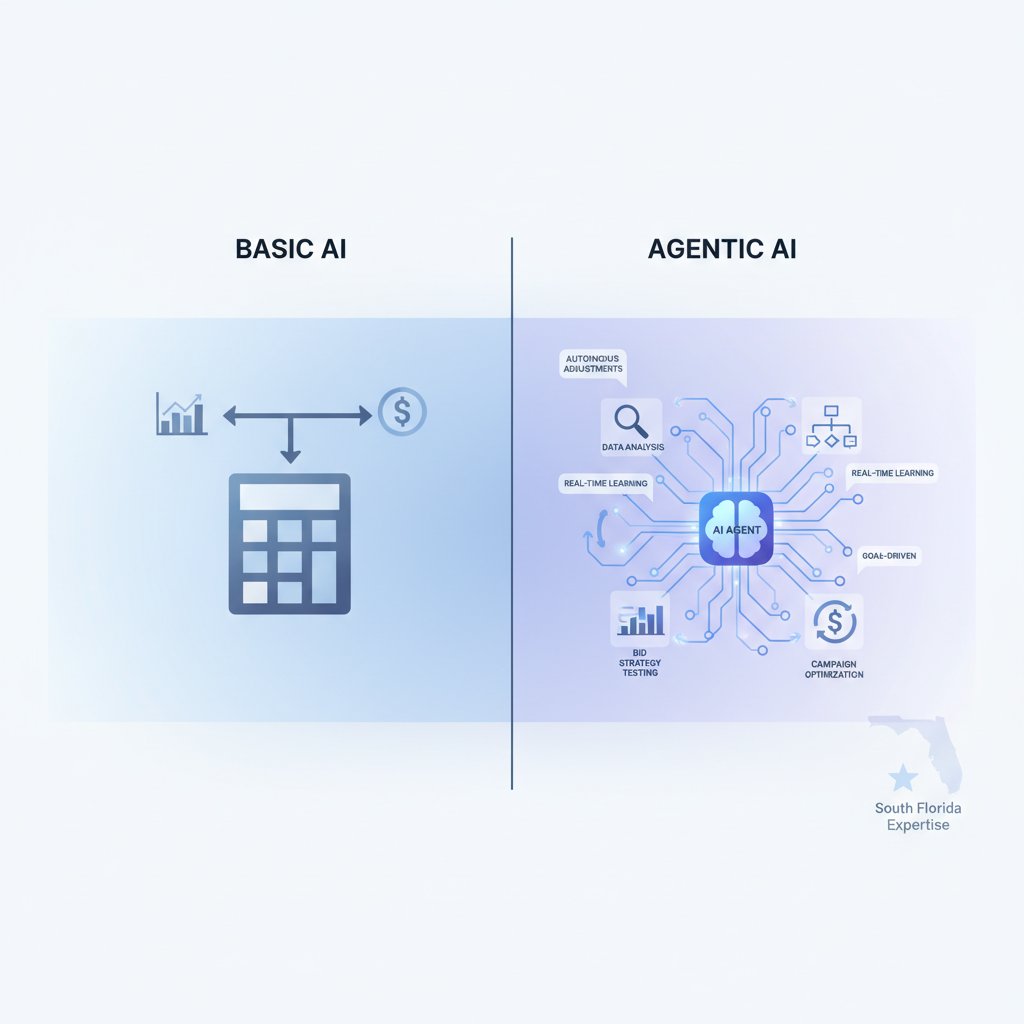
Agentic reasoning refers to AI systems that can independently analyze situations, set sub-goals, test hypotheses, and take actions to achieve specific objectives. Think of it as the difference between a calculator and a business consultant. A calculator does exactly what you tell it. A consultant understands your goals, analyzes your situation, identifies opportunities, and recommends strategic actions.
In the context of google ads management, autonomous AI agents using agentic reasoning don’t just automate bid adjustments—they actively reason through your campaign strategy. They ask questions like: “Why is this ad group underperforming? What audience characteristics predict higher conversion rates? Should we shift budget from Search to Performance Max based on customer lifetime value patterns?”
Traditional PPC automation made changes based on predetermined rules. Agentic AI makes decisions based on contextual understanding of your business goals. This distinction matters because PPC landscapes in 2026 are incredibly complex, with dozens of campaign types, hundreds of targeting options, and constantly shifting auction dynamics that no human can fully optimize manually.
How Agentic Reasoning Actually Improves Campaign Performance
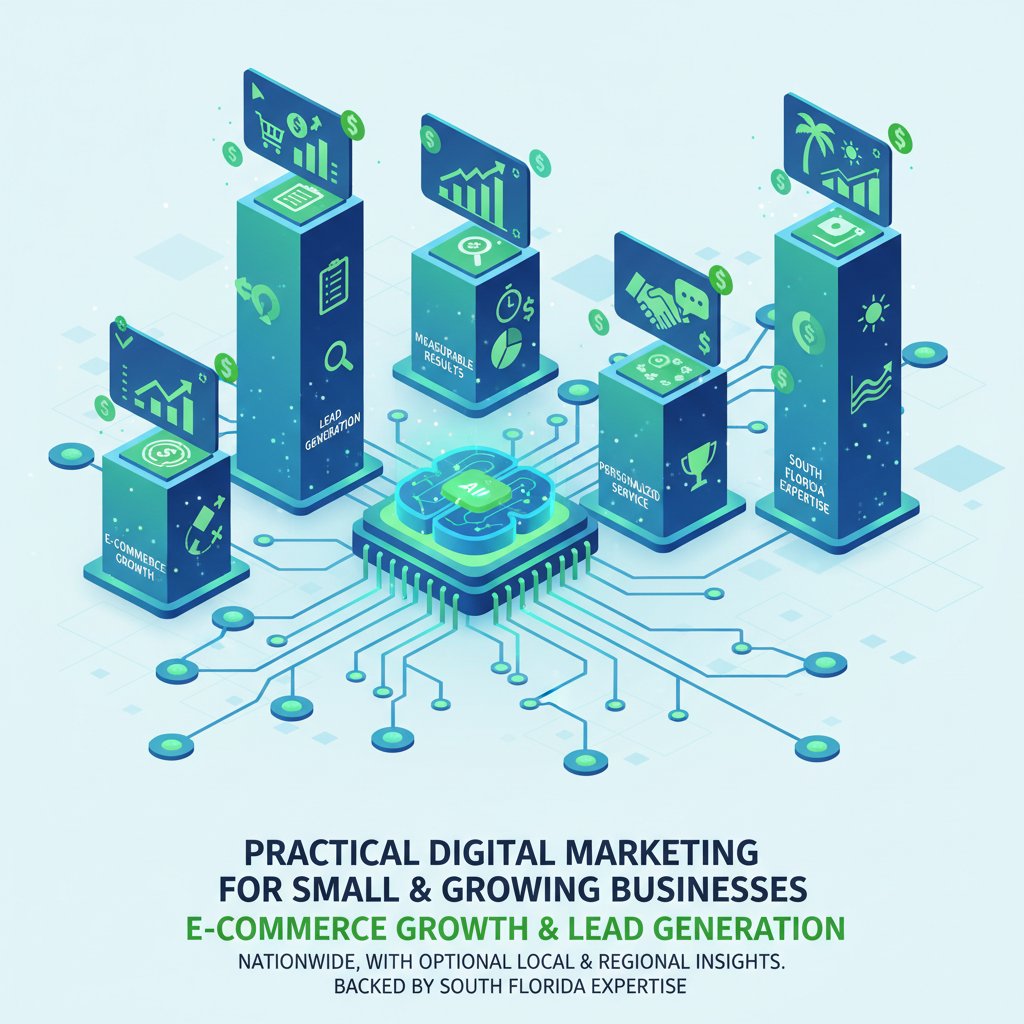
Let’s move from theory to practice. Here’s how agentic reasoning creates measurable improvements in your pay per click advertising campaigns:
Intelligent Budget Allocation Across Campaigns
A Miami-based e-commerce client came to us spending $12,000 monthly across five Google Ads campaigns with mediocre results. Their previous google ads specialist allocated budgets based on historical performance, adjusting monthly. When we implemented agentic AI systems, the results shifted dramatically within 30 days.
The AI agent analyzed not just click-through rates but customer lifetime value by acquisition source. It discovered that Search campaigns brought cheaper clicks but lower-value customers, while Shopping campaigns had higher CPCs but brought customers who made repeat purchases. The agent autonomously reallocated 40% more budget to Shopping campaigns during peak buying hours and reduced Search spending during low-conversion periods. The result? A 34% increase in revenue per ad dollar spent.
Real-Time Audience Optimization
Traditional audience targeting requires you to select demographics, interests, and behaviors, then wait weeks to gather performance data. Agentic reasoning flips this model. AI agents continuously test micro-segments, identify patterns humans would miss, and create composite audiences based on behavioral signals.
For a Fort Lauderdale home services company, our agentic system discovered that their highest-converting audience wasn’t homeowners aged 35-55 (their target demographic) but actually homeowners who had recently searched for specific competitor services AND visited home improvement websites in the past 72 hours. This hyper-specific insight emerged from the AI’s ability to test thousands of audience combinations and reason through correlation patterns. Targeting this refined audience reduced their cost per lead by 42%.
Dynamic Creative Strategy
Agentic AI doesn’t just test ad variations—it reasons about why certain messages resonate with specific audiences at specific times. A West Palm Beach luxury retailer worked with our google advertising agency to implement AI agents that analyzed ad performance across dozens of variables: time of day, device type, audience segment, competitive context, and even local events.
The system discovered that value-focused messaging (“Save 20%”) worked best for mobile users during weekday mornings, while prestige messaging (“Exclusive Collection”) performed better for desktop users during evenings and weekends. Rather than simply running these as separate ad variants, the agentic system created strategic rules about when to emphasize different value propositions, essentially developing a sophisticated messaging calendar that adapted daily based on performance signals.
Implementing Agentic Reasoning in Your PPC Strategy
You don’t need a PhD in machine learning to leverage agentic reasoning. Here’s how small to medium businesses can practically implement this technology:
Start With Clear Business Objectives
Agentic AI needs goals, not just metrics. Instead of telling your system to “maximize clicks” or “reduce CPC,” define business outcomes: “Acquire customers with lifetime value above $500” or “Generate qualified leads for service bookings within 50 miles.” The more precisely you define success, the better autonomous AI can reason about how to achieve it.
Choose the Right PPC Management Services Partner
Not all adwords management florida providers have adopted agentic AI. When evaluating PPC management services, ask specific questions:
- Do you use AI systems that can autonomously adjust strategy, or just basic automation?
- How does your AI incorporate business context beyond standard metrics?
- Can you show examples where AI reasoning led to strategy changes a human wouldn’t have made?
- What level of transparency do I have into AI decision-making?
At UltraWeb Marketing, we believe you should understand why AI makes specific recommendations. Black-box optimization might improve numbers, but transparent agentic reasoning helps you learn about your customers while improving results.
Integrate First-Party Data
Agentic reasoning becomes exponentially more powerful when AI agents access your customer data. Connect your CRM, analytics platform, and purchase history to your PPC systems. This allows AI to reason about patterns like: customers from certain campaigns have higher retention rates, specific product purchasers tend to buy complementary items later, or seasonal buying patterns vary by customer acquisition source.
One Boca Raton restaurant group integrated their reservation system with Google Ads campaigns managed through agentic AI. The system discovered that ads emphasizing “outdoor seating” generated 3x more high-value reservations during pleasant weather weeks. It began automatically adjusting ad copy and bid strategies based on extended weather forecasts—a strategic connection no human had considered.
Common Concerns About Autonomous AI in PPC
We hear concerns from business owners about turning over campaign control to AI agents. These worries are valid, but often based on misunderstandings about how agentic reasoning works in practice.
“Will AI Make Expensive Mistakes?”
Properly configured agentic systems include guardrails: maximum daily budgets, approval requirements for major strategy shifts, and continuous monitoring. Think of it like self-driving cars with a human ready to take the wheel. The AI handles routine optimization and identifies opportunities, but you maintain oversight and set boundaries.
“Does This Replace the Need for Human Expertise?”
Absolutely not. Agentic AI amplifies expert judgment rather than replacing it. A skilled google ads specialist interprets AI insights within your business context, sets strategic direction, and ensures campaigns align with broader marketing goals. The AI handles the impossible task of optimizing thousands of variables simultaneously; humans handle strategy, creativity, and business judgment.
“How Quickly Will I See Results?”
Most businesses see measurable improvements within 30-45 days as agentic systems gather data and refine their reasoning. However, the full benefits compound over time. After six months, AI agents have learned deep patterns about your customers, competitive landscape, and seasonal factors that drive increasingly sophisticated optimization.
What This Means for South Florida Businesses in 2026
The South Florida market presents unique opportunities and challenges for PPC campaigns. Tourism seasonality, demographic diversity, bilingual audiences, and intense competition in sectors like hospitality, real estate, and healthcare demand sophisticated campaign management.
Agentic reasoning excels in complex markets like ours. An AI agent can simultaneously optimize campaigns for seasonal visitors and year-round residents, adjust messaging for English and Spanish speakers based on search context, and respond to competitive pressures in real-time—all while maintaining your cost-per-acquisition targets.
A Coral Gables medical practice competing in the crowded aesthetic services market saw their cost per patient acquisition drop from $387 to $214 over four months using agentic AI. The system identified that certain procedure searches indicated higher purchase intent than others, adjusted bids accordingly, and developed audience segments based on research behavior patterns that predicted conversion likelihood.
Taking Action: Your Next Steps
If you’re still managing PPC campaigns with 2023-era tactics in 2026, you’re competing with one hand tied behind your back. Agentic reasoning isn’t coming—it’s here, and your competitors are already using it.
Start by auditing your current approach. Are you making bid adjustments manually? Are your audience segments based on assumptions rather than behavioral data? Is your campaign strategy reactive rather than predictive? These signs indicate you’re leaving money on the table.
The good news? Implementing agentic reasoning doesn’t require rebuilding your campaigns from scratch. The right partner can integrate these capabilities into your existing account structure, preserving your historical data while dramatically improving forward performance.
At UltraWeb Marketing, we’ve helped dozens of South Florida businesses transition to AI-powered PPC management without the corporate complexity or impersonal service of large agencies. We combine cutting-edge agentic technology with the personal attention and local market expertise that small and medium businesses deserve.
Ready to see what agentic reasoning can do for your campaigns? Let’s talk about your specific goals, challenges, and growth opportunities. Contact UltraWeb Marketing today for a complimentary PPC audit that will show you exactly where AI-powered optimization can improve your results—with clear projections and no obligation.
Frequently Asked Questions
What’s the difference between standard Google Ads automation and agentic reasoning?
Standard automation follows rules you set (like “increase bids 10% when ROAS exceeds target”). Agentic reasoning allows AI to independently analyze situations, form hypotheses, and develop strategies to achieve your goals. It’s the difference between following instructions and thinking strategically about how to achieve objectives.
Do I need a large advertising budget to benefit from agentic AI?
No. While larger budgets provide more data for AI systems to learn from, agentic reasoning benefits campaigns of all sizes. Even with modest budgets, AI agents can identify optimization opportunities and efficiency improvements that increase your return on ad spend significantly.
How much control do I maintain over campaigns using agentic AI?
You maintain complete control over strategic direction, budget limits, and approval requirements. You decide which decisions AI can make autonomously (like bid adjustments) and which require human approval (like major budget reallocations). Transparency features let you understand why AI makes specific recommendations.
Will agentic reasoning work for service-based businesses or just e-commerce?
Agentic AI works excellently for service businesses. While e-commerce provides clear transaction data, service businesses benefit from AI’s ability to identify lead quality patterns, optimize for longer sales cycles, and predict which prospects are most likely to convert based on engagement signals.
How long does it take to implement agentic reasoning in existing campaigns?
Initial implementation typically takes 1-2 weeks, including data integration and goal configuration. The AI begins optimization immediately, with noticeable performance improvements usually visible within 30-45 days as the system gathers data and refines its reasoning models.
What happens if the AI makes decisions I disagree with?
Quality PPC management services provide transparency into AI decision-making with clear explanations of why specific actions were taken. You can always override AI decisions, adjust parameters, or set restrictions. The goal is AI-human collaboration where each handles what they do best.