Picture this: A potential customer visits your online store, adds items to their cart, and then—poof—they’re gone. Sound familiar? You’re not alone. The average cart abandonment rate hovers around 70%, according to the Baymard Institute, meaning seven out of ten shoppers leave without completing their purchase. But here’s the good news: with strategic Google Ads retargeting, you can bring those customers back and recover thousands in lost revenue.
If you’re a South Florida business owner running an e-commerce store, abandoned carts aren’t just frustrating—they’re money left on the table. The right pay per click advertising strategy can turn those missed opportunities into completed sales, and that’s exactly what we’re going to explore today.
Why Cart Abandonment Happens (And Why It Matters)
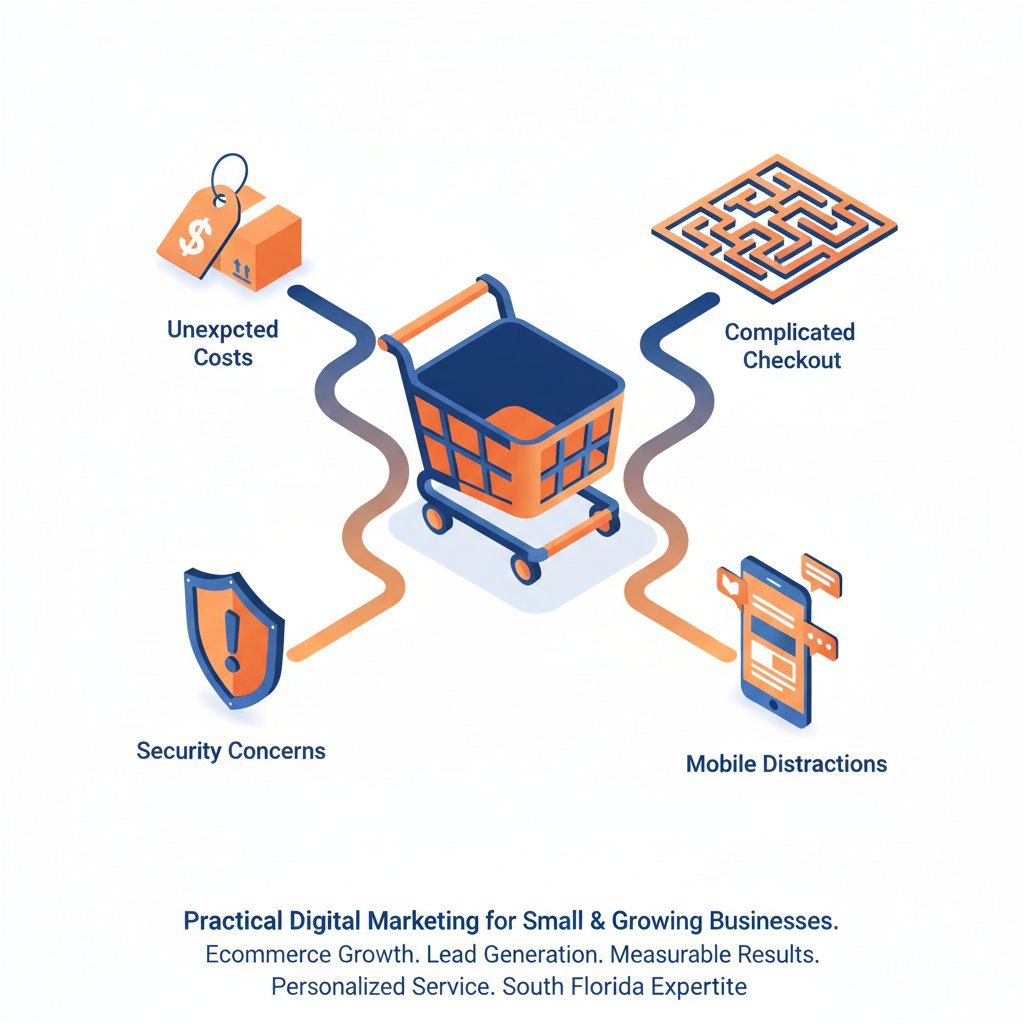
Before diving into retargeting solutions, let’s understand why shoppers abandon carts in the first place. In 2026, the top reasons include unexpected shipping costs, complicated checkout processes, concerns about payment security, and simple distractions—especially on mobile devices.
For small to medium businesses in South Florida, each abandoned cart represents a potential customer who showed genuine purchase intent. They didn’t just browse; they actively added items to their cart. That’s a warm lead, and recovering even a fraction of these customers can significantly impact your bottom line.
Understanding Google Ads Retargeting in 2026
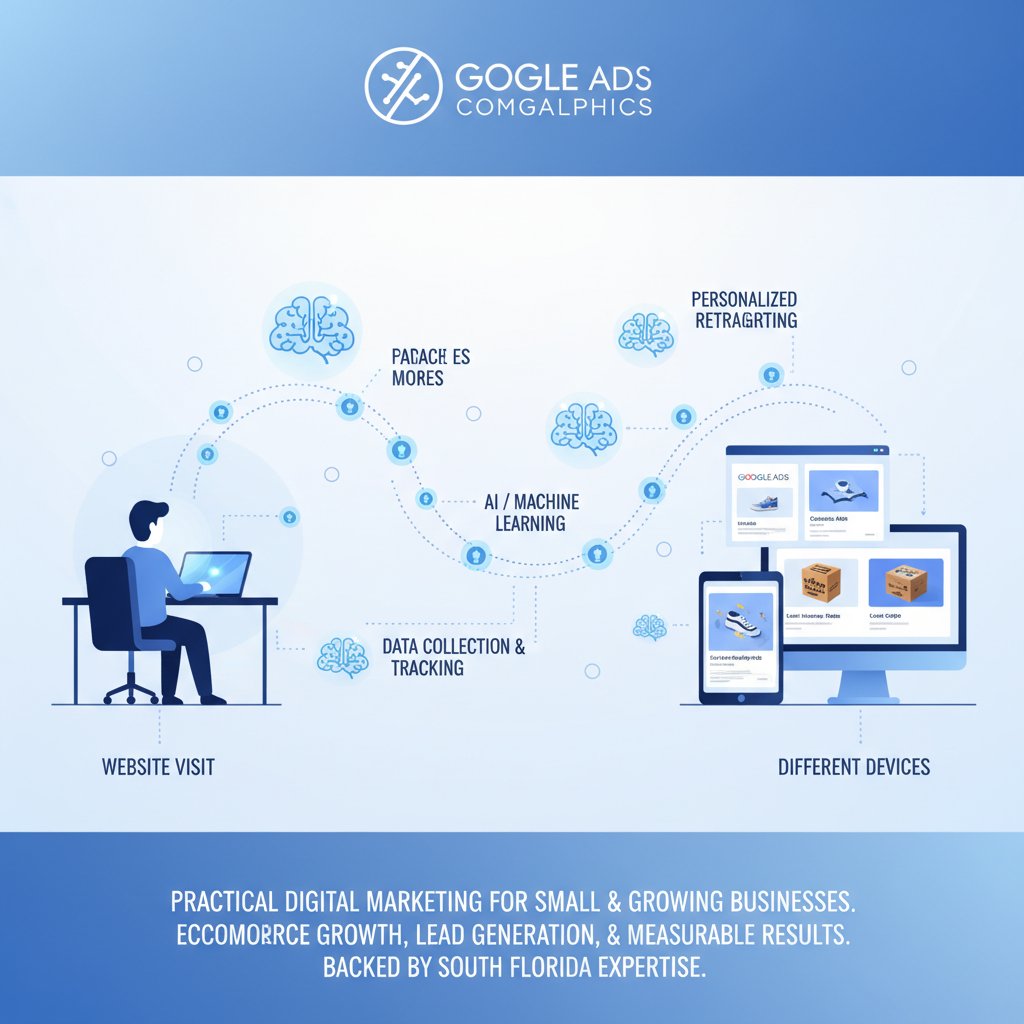
Google Ads retargeting—also called remarketing—allows you to show targeted ads to people who’ve previously visited your website or taken specific actions, like adding items to their cart. In 2026, Google’s AI-powered advertising platform has become more sophisticated, offering enhanced audience signals and improved conversion tracking.
The technology works by placing a tracking pixel on your site that captures visitor behavior. When someone abandons their cart, Google can display personalized ads to them across the Display Network, YouTube, Gmail, and even in Google Search results as they browse other sites or search for related products.
What Makes 2026 Different
Google’s latest advertising features include enhanced privacy-compliant tracking, first-party data integration, and AI-driven audience optimization. Working with a knowledgeable google advertising agency ensures you’re leveraging these advanced capabilities while respecting user privacy and complying with evolving regulations.
Setting Up Your Cart Abandonment Retargeting Campaign
Successful retargeting starts with proper foundation. If your ecommerce website development didn’t include robust tracking capabilities, you’ll need to address that first. Here’s how to set up an effective campaign:
Step 1: Install Enhanced Conversion Tracking
Your online store development must include Google’s conversion tracking tag and enhanced e-commerce tracking. This allows you to create specific audience segments based on cart abandonment behavior. The tag captures critical data like which products were added, cart value, and how far users progressed in the checkout process.
Step 2: Create Segmented Audiences
Not all abandoned carts are equal. Segment your audiences based on:
- Cart value (high-value vs. low-value abandoners)
- Product category (different messaging for different products)
- Time since abandonment (fresh abandoners vs. older ones)
- How many times they’ve visited
- Whether they’ve purchased before
This segmentation allows you to tailor messaging and bid strategies for maximum effectiveness.
Step 3: Develop Compelling Ad Creative
Your retargeting ads should remind customers what they left behind while addressing potential objections. Effective 2026 retargeting creative includes:
- Dynamic product images showing the exact items abandoned
- Clear value propositions (free shipping, discounts, limited-time offers)
- Trust signals (reviews, security badges, return policies)
- Urgency elements (stock warnings, expiring discounts)
- Mobile-optimized designs for smartphone shoppers
A google ads specialist can help you create responsive display ads that automatically adjust to different placements and devices, maximizing visibility and engagement across Google’s network.
Step 4: Set Strategic Bid Adjustments
Not everyone who abandons a cart has the same conversion probability. Use Google’s Smart Bidding features to automatically adjust bids based on conversion likelihood. For cart abandoners who reached the payment page, bid more aggressively than those who only added one item.
In 2026, Google’s AI can process hundreds of signals in real-time to optimize your bids, but it needs quality data and proper setup to work effectively. This is where professional pay per click advertising management makes a significant difference.
Timing Your Retargeting Strategy
When should you show retargeting ads? The answer depends on your product type and customer behavior, but here’s a proven framework:
First 24 Hours: Start retargeting immediately with gentle reminders. Many customers intend to return but simply got distracted. Show standard ads featuring the abandoned products.
Days 2-3: Increase urgency slightly. Mention limited stock or introduce a small incentive like free shipping if that wasn’t already offered.
Days 4-7: This is your sweet spot for offering discounts. If you use a discount, save it for later in the sequence rather than the first message, so customers don’t learn to wait for one.
Days 8-14: Make your final push with stronger incentives or emphasize unique value propositions that competitors can’t match.
After 14 Days: Shift to broader brand awareness campaigns rather than cart-specific retargeting. The immediate opportunity has likely passed.
Advanced Retargeting Tactics for 2026
Beyond basic cart abandonment campaigns, sophisticated strategies can further boost results:
Cross-Sell Retargeting
Show complementary products to cart abandoners. If someone left a camera in their cart, retarget them with camera bags or memory cards alongside the original product.
Sequential Messaging
Create a story across multiple ad exposures. The first ad reminds them what they left behind, the second addresses common objections with customer testimonials, and the third provides an incentive to complete the purchase.
Customer Match Integration
If you have email addresses from previous purchases or newsletter signups, use Google’s Customer Match feature to create highly personalized campaigns that combine email data with abandonment behavior.
YouTube Retargeting
Video ads on YouTube can be particularly effective for higher-value cart abandoners. A 15-second video showing your product in action or featuring customer testimonials can re-engage shoppers more effectively than static display ads.
Measuring Success: Key Metrics to Track
Effective google ads management requires monitoring the right metrics. For cart abandonment campaigns, focus on:
- View-Through Conversions: Purchases completed after seeing (but not clicking) your retargeting ad
- Cart Recovery Rate: Percentage of abandoned carts that result in completed purchases
- Return on Ad Spend: Revenue generated per dollar spent on retargeting
- Cost Per Acquisition: How much you’re spending to recover each abandoned cart
- Time to Conversion: How long after abandonment customers typically return
That’s the power of reaching shoppers who’ve already expressed purchase intent.
Common Pitfalls to Avoid
Even well-intentioned retargeting campaigns can backfire without proper execution:
Over-Exposure: Bombarding users with too many ads creates banner blindness or worse, annoys potential customers. Cap frequency at 3-5 impressions per day.
Ignoring Mobile Experience: Most e-commerce traffic now comes from phones. If your checkout process isn’t mobile-optimized, retargeting efforts won’t overcome that fundamental obstacle.
Generic Messaging: Using the same ad creative for all cart abandoners misses opportunities for personalization. Dynamic ads that show actual abandoned products perform significantly better.
Neglecting Exclusions: Continue showing ads to people who’ve already completed their purchase? That wastes budget and irritates customers. Implement proper conversion exclusions.
Skipping A/B Testing: What works for one business may not work for another. Continuously test different offers, creative approaches, and messaging strategies.
Integrating Retargeting with Your Broader Strategy
Cart abandonment retargeting shouldn’t exist in isolation. The most successful South Florida businesses we work with integrate it into a comprehensive digital marketing approach that includes:
- Email remarketing campaigns that complement Google Ads
- On-site improvements to reduce abandonment rates
- Enhanced product pages that address objections proactively
- Streamlined checkout processes that minimize friction
- Customer service follow-up for high-value abandoners
Think of retargeting as one tool in your arsenal. A google advertising agency with local expertise can help you orchestrate all these elements for maximum impact.
Ready to Recover Your Lost Revenue?
Cart abandonment doesn’t have to mean lost sales. With strategic Google Ads retargeting, you can bring customers back, complete those transactions, and significantly boost your e-commerce revenue. The businesses that succeed in 2026 aren’t necessarily those with the most traffic—they’re the ones that convert the traffic they already have.
If you’re ready to stop watching potential customers slip away and start recovering abandoned carts, it’s time to implement a professional retargeting strategy. Whether you need help with ecommerce website development, setting up conversion tracking, or managing sophisticated retargeting campaigns, partnering with experts who understand both the technology and your business goals makes all the difference.
At UltraWeb Labs, we’ve helped dozens of South Florida businesses transform their cart abandonment challenges into revenue opportunities. Our team of specialists provides the personal attention you need with the proven results you deserve—no corporate complexity, just straightforward strategies that work.
Contact us today for a free consultation and let’s discuss how Google Ads retargeting can help you recover lost revenue and grow your online business. Your abandoned carts represent real opportunity—let’s turn them into completed sales.
Frequently Asked Questions
How much should I budget for cart abandonment retargeting?
Start with 10-15% of your overall Google Ads budget dedicated to retargeting. For most small to medium e-commerce businesses, this means $500-$2,000 monthly. As you gather data and optimize, adjust based on your return on ad spend. Businesses typically see positive ROI within the first 30-60 days.
What’s a good cart recovery rate to aim for?
A well-executed retargeting campaign should recover 15-30% of abandoned carts. If you’re below 10%, there’s likely room for optimization in your ad creative, targeting, or website checkout experience. Above 30% is exceptional and indicates highly effective campaigns.
Do I need a large email list to use Google Customer Match?
No minimum list size is required, but Google recommends at least 1,000 matched users for Customer Match campaigns to work effectively. However, cart abandonment retargeting works independently of Customer Match and can be highly effective even without email data.
How long does it take to see results from retargeting campaigns?
You’ll typically see initial conversions within the first week, but allow 30-45 days to gather enough data for meaningful optimization. Google’s AI bidding strategies become more effective as they learn from your conversion data, so performance often improves significantly in months 2-3.
Can retargeting work for service businesses or just e-commerce?
While cart abandonment specifically applies to e-commerce, retargeting principles work excellently for service businesses too. You can retarget people who visited pricing pages, started booking forms, or viewed specific service pages without completing contact forms or bookings.
Should I offer discounts in my retargeting ads?
Not necessarily in all campaigns. Test both discount and non-discount approaches. Many shoppers abandon carts for reasons other than price—like getting distracted or wanting to comparison shop. Start with reminder ads, then introduce incentives if needed. Reserve your strongest discounts for high-value carts or later in the retargeting sequence.

About UltraWeb Labs Inc.
UltraWeb Labs Inc. provides practical digital marketing solutions for small and growing businesses nationwide, with deep roots in South Florida. We specialize in eCommerce growth, lead generation, and measurable ROI through personalized service that combines approachable expertise with proven results. Our team focuses on making digital marketing accessible and actionable for business owners who want real growth without corporate-level complexity. Visit ultraweblabs.com →