
E-commerce business owners face a common challenge: how do you handle customer inquiries at 3 AM, personalize experiences for thousands of visitors simultaneously, and optimize inventory without hiring a massive team? In 2026, the answer lies in agentic AI—intelligent systems that don’t just automate tasks but make decisions, learn from outcomes, and orchestrate complex workflows across your entire online store.
Unlike traditional automation that follows rigid if-then rules, agentic automation employs AI agents that think, adapt, and collaborate to achieve specific business goals. For South Florida e-commerce businesses competing in increasingly crowded markets, this technology represents a competitive edge that was once available only to enterprise-level operations.
Understanding Agentic AI and How It Differs from Basic Automation
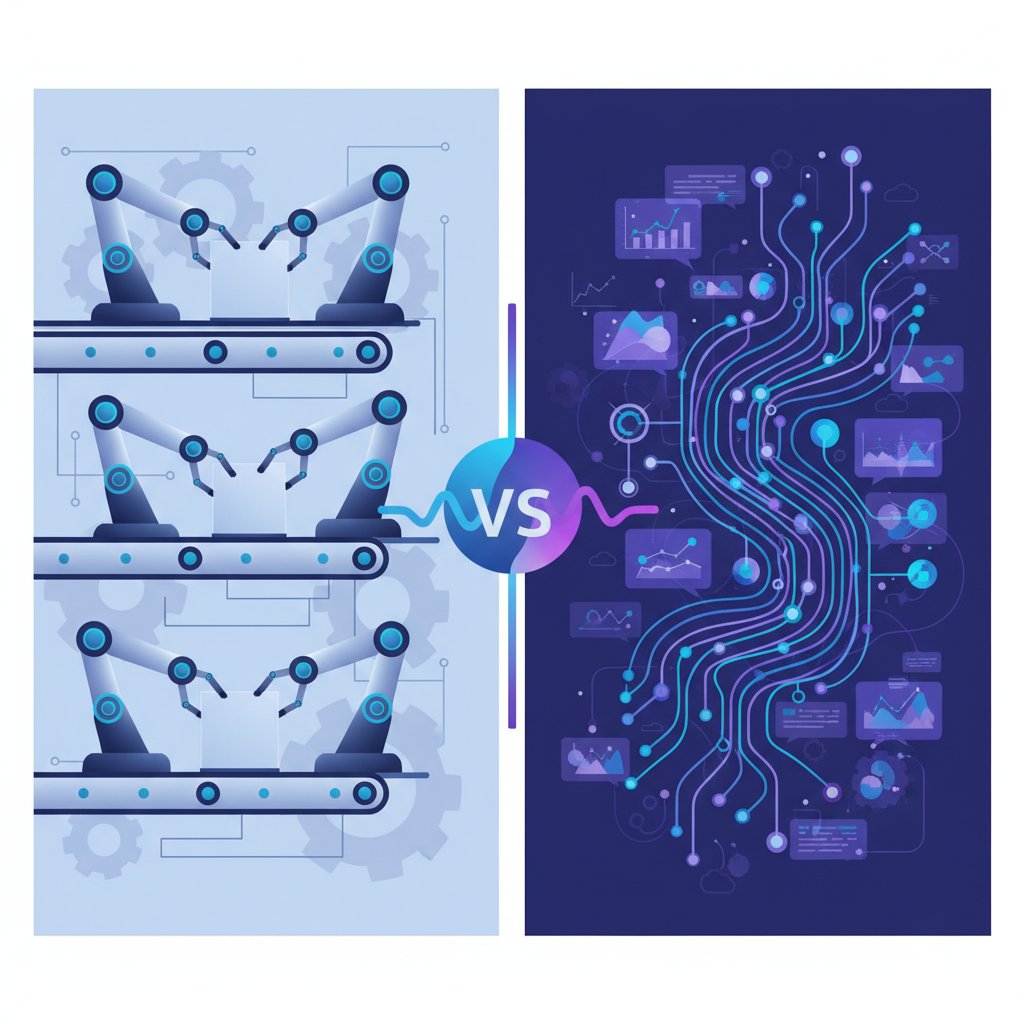
Traditional automation handles repetitive tasks: sending confirmation emails, updating inventory counts, or posting social media at scheduled times. These systems are valuable but limited—they can’t adapt when circumstances change or make nuanced decisions based on context.
Agentic AI operates on an entirely different level. These autonomous AI systems can perceive their environment, make decisions based on goals you set, take action without constant human supervision, and learn from the results to improve performance over time. Think of them as digital team members rather than simple tools.
For example, a basic automation might send cart abandonment emails to everyone who leaves items unpurchased. An AI agent analyzes why each customer abandoned their cart—price sensitivity, shipping costs, browsing from mobile during work hours—and crafts personalized recovery strategies for each situation. It might offer a discount to price-conscious shoppers, free shipping to those deterred by delivery costs, or send a gentle reminder at optimal times based on individual browsing patterns.
Key Areas Where AI Agents Transform E-commerce Operations
Customer Service That Never Sleeps
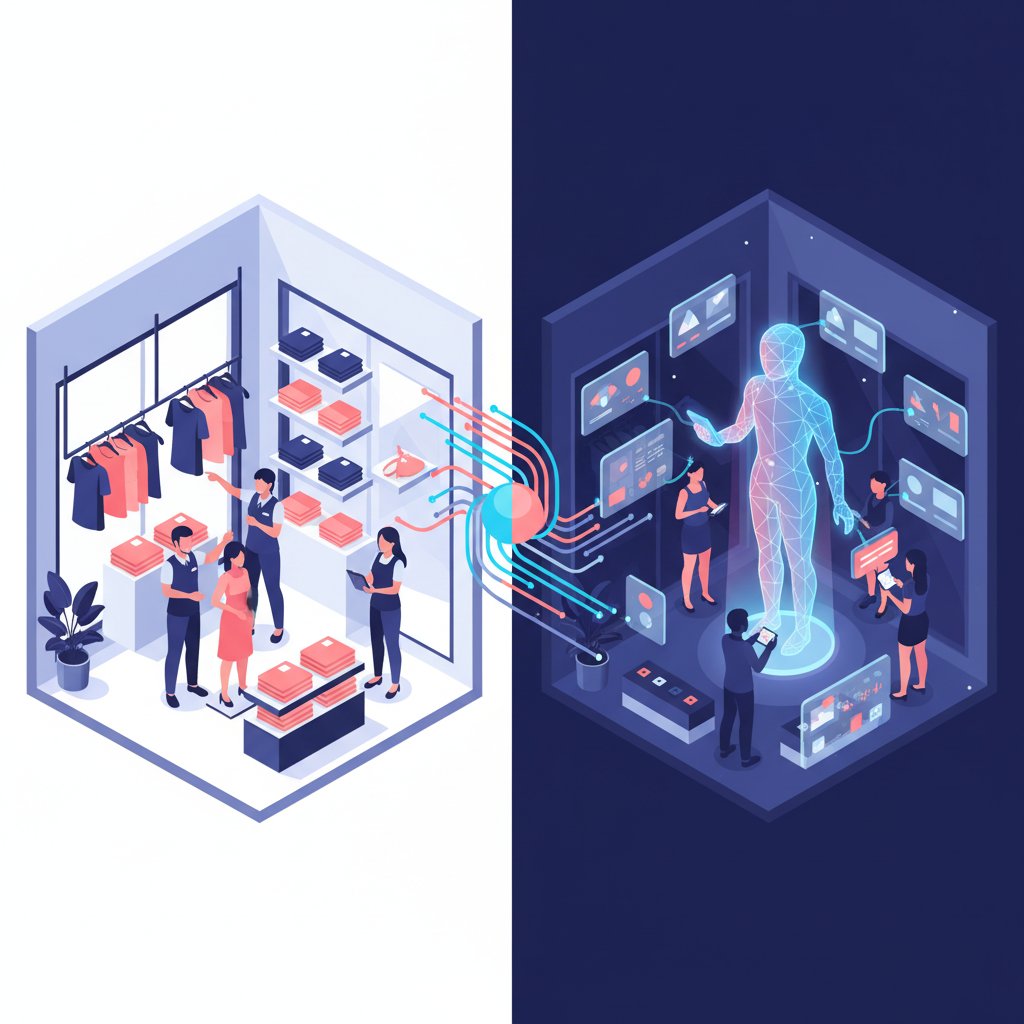
A Miami-based boutique clothing retailer we worked with received 40% of customer inquiries outside business hours. They implemented an AI agent system that handles customer questions, processes returns, tracks shipments, and even upsells complementary products based on conversation context. The result? Their customer satisfaction scores increased by 28% while reducing support costs by 35%.
These aren’t chatbots reading from scripts. Modern AI agents understand intent, access your entire product database and customer history, handle complex multi-step requests, escalate to humans only when genuinely necessary, and improve their responses based on customer feedback and resolution success rates.
Dynamic Pricing and Inventory Optimization
Pricing strategy significantly impacts e-commerce profitability, but manually adjusting prices based on demand, competition, inventory levels, and seasonal trends is virtually impossible at scale. AI agents monitor these variables continuously and adjust pricing within parameters you define to maximize both sales velocity and profit margins.
A Fort Lauderdale sporting goods store deployed autonomous AI for inventory management. The system predicted demand spikes for hurricane-related supplies, automatically adjusted reorder points based on supplier lead times, identified slow-moving inventory for promotional pricing, and coordinated flash sales when warehouse capacity reached thresholds. They reduced stockouts by 47% while decreasing excess inventory carrying costs by 22%.
Personalization at Scale
Today’s consumers expect personalized experiences. AI agents analyze browsing behavior, purchase history, demographic data, and even time spent viewing specific product attributes to create individualized shopping experiences for every visitor.
This goes beyond “customers who bought X also bought Y” recommendations. Agentic AI orchestrates entire customer journeys, adjusting homepage layouts, product recommendations, email content, promotional offers, and even navigation menus based on individual preferences and predicted intent.
Implementing Agentic AI Without Overwhelming Your Team
The prospect of integrating advanced AI into your e-commerce operations might seem daunting, but modern platforms and development approaches make this technology accessible to businesses of all sizes.
Start with High-Impact, Low-Complexity Use Cases
You don’t need to transform your entire operation overnight. Identify bottlenecks or repetitive tasks consuming disproportionate resources. Common starting points include automated customer inquiry routing and initial response, abandoned cart recovery with personalized messaging, basic product recommendations based on browsing behavior, and inventory alerts and reorder suggestions.
As these initial agents prove their value, expand into more sophisticated applications like dynamic pricing, predictive analytics, and complex workflow orchestration.
Integration with Your Existing E-commerce Platform
Whether you’re running Shopify, WooCommerce, Magento, or a custom-built platform, agentic AI solutions integrate through APIs and plugins. The key is working with developers who understand both the technical requirements and your business objectives.
Quality ecommerce website development in 2026 means building with AI integration in mind from the start. If you’re considering a redesign or new online store development, prioritize platforms and architectures that support AI agent deployment. Your ecommerce web design should include clean data structures that AI can easily access, API-ready infrastructure for seamless integration, modular design allowing gradual AI feature rollout, and analytics capabilities to measure AI agent performance.
Real-World Results: What South Florida Businesses Are Achieving
A West Palm Beach nutritional supplements company implemented AI orchestration across their customer journey. AI agents handle initial customer education through personalized content recommendations, suggest product bundles based on individual health goals mentioned in interactions, time follow-up communications based on purchase cycles and usage patterns, and identify at-risk customers showing signs of disengagement for proactive retention efforts.
Within six months, they saw a 34% increase in average order value, 41% improvement in customer retention rates, 29% reduction in customer acquisition costs through better targeting, and 52% decrease in time from first visit to first purchase.
Another example involves a Boca Raton home decor retailer who deployed autonomous AI for product photography and description optimization. The AI agent analyzed which product images and descriptions generated the highest conversion rates, automatically tested variations of product presentations, optimized SEO elements based on search performance data, and coordinated product launches across multiple channels with timing based on predicted engagement.
Their organic search traffic increased 67%, and product page conversion rates improved by 23%.
Common Concerns About AI Agents in E-commerce
Will AI Replace Human Judgment?
Agentic AI augments rather than replaces human decision-making. You define the goals, parameters, and ethical boundaries. AI agents operate within those constraints, handling volume and complexity beyond human capacity while escalating ambiguous situations requiring human judgment.
The Miami boutique mentioned earlier didn’t eliminate their customer service team—they freed them from repetitive inquiries to focus on complex problem-solving and relationship building with high-value customers. Employee satisfaction actually increased because team members could do more meaningful work.
What About Data Privacy and Security?
Legitimate concern, especially given evolving privacy regulations. Reputable AI agent platforms prioritize data encryption, compliance with GDPR, CCPA, and other privacy frameworks, transparent data usage policies, and customer consent management.
When evaluating AI solutions, ask specifically about security certifications, data handling practices, and compliance capabilities.
Is This Technology Only for Large Operations?
Absolutely not. Cloud-based AI platforms operate on subscription models accessible to businesses of all sizes. You’re not building AI infrastructure from scratch—you’re leveraging sophisticated systems developed by specialized providers and customizing them for your specific needs.
Many South Florida small businesses we work with start with AI agent implementations costing less than a single full-time employee while delivering comparable or greater value in specific functional areas.
Choosing the Right AI Partners and Platforms
Not all AI solutions deliver equal value. When evaluating options, prioritize platforms offering transparent performance metrics and analytics, integration capabilities with your existing tools, scalability as your needs evolve, responsive support for troubleshooting and optimization, and proven results in businesses similar to yours.
More importantly, work with development and marketing partners who understand both the technology and your industry. Generic AI implementations rarely deliver optimal results. You need customization based on your specific products, customer demographics, competitive landscape, and business objectives.
Quality online store development in 2026 means creating infrastructure that leverages agentic automation while maintaining the human touch that builds customer loyalty. Your website should feel intuitive and personal, not robotic, even when AI powers much of the experience behind the scenes.
Getting Started: Your AI Implementation Roadmap
Ready to explore agentic AI for your e-commerce business? Follow this practical roadmap:
Step 1: Audit Your Current Operations
Identify time-consuming manual tasks, customer experience pain points, revenue opportunities you’re missing due to resource constraints, and data you’re collecting but not fully utilizing.
Step 2: Define Clear Objectives
What specific outcomes do you want? Increased conversion rates? Lower support costs? Better inventory turnover? Higher customer lifetime value? Clear goals enable meaningful performance measurement.
Step 3: Prioritize Initial Use Cases
Choose one or two high-impact areas for your first AI agent deployment. Success in focused areas builds confidence and demonstrates ROI before broader implementation.
Step 4: Ensure Your Infrastructure Is Ready
Your e-commerce platform needs clean, accessible data and integration capabilities. If your current site is outdated, consider whether new ecommerce website development makes sense before adding AI layers.
Step 5: Implement, Monitor, and Optimize
Launch your AI agents, track performance metrics closely, gather feedback from customers and team members, and continuously refine parameters and expand capabilities based on results.
The Competitive Advantage of Early Adoption
E-commerce becomes more competitive every year. South Florida businesses compete not just locally but globally. Agentic AI levels the playing field, allowing smaller operations to deliver experiences and efficiency previously available only to major retailers with massive teams.
Early adopters gain significant advantages. You’ll refine your AI agent strategies while competitors are still considering the technology, build customer relationships enhanced by personalization and responsiveness, optimize operations to improve margins in your market, and establish data and learning advantages that compound over time.
The question isn’t whether agentic AI will transform e-commerce—it already is. The question is whether you’ll lead or follow in your market.
Frequently Asked Questions
What exactly is an AI agent in e-commerce?
An AI agent is an autonomous software system that perceives data from your e-commerce environment, makes decisions based on predefined goals, takes actions like adjusting prices or sending personalized messages, and learns from outcomes to improve performance. Unlike basic automation, AI agents adapt to changing conditions and handle complex, nuanced situations.
How much does it cost to implement agentic AI for a small e-commerce business?
Costs vary based on complexity and scale, but many cloud-based AI platforms start at $200-500 monthly for basic implementations. Custom development and integration might require $3,000-10,000 initial investment depending on your existing infrastructure and specific requirements. Most businesses see positive ROI within 3-6 months through increased sales and reduced operational costs.
Can AI agents work with my existing Shopify or WooCommerce store?
Yes, modern AI agent platforms integrate with all major e-commerce platforms through APIs and plugins. The integration process typically takes 2-4 weeks depending on customization requirements and doesn’t require completely rebuilding your store.
Will customers know they’re interacting with AI?
That’s your choice. Many businesses are transparent about AI assistance while ensuring the experience feels natural and helpful. Best practices include disclosing AI interaction when appropriate while maintaining conversational, personalized communication that doesn’t feel robotic or generic.
How do I measure if my AI agents are actually improving performance?
Track specific metrics related to your goals: conversion rates, average order value, customer service response times and satisfaction scores, cart abandonment recovery rates, inventory turnover, and cost per acquisition. Compare these metrics before and after AI implementation, and monitor ongoing trends as your agents learn and optimize.
Ready to Scale Your E-commerce Operations with AI?
Agentic AI represents a fundamental shift in how successful e-commerce businesses operate. The technology is mature, accessible, and delivering measurable results for South Florida businesses across industries.
At UltraWeb Marketing, we specialize in helping small and medium e-commerce businesses implement AI-powered solutions that drive real growth without corporate-level complexity. Whether you need strategic guidance on where AI can impact your operations most, ecommerce web design and development that’s AI-ready from day one, or integration of AI agents with your existing platform and workflows, we provide personalized support focused on your specific business goals.
Don’t let competitors gain the AI advantage while you’re still considering the possibilities. Contact UltraWeb Marketing today to discuss how agentic automation can transform your e-commerce operations, increase sales, and free you to focus on growing your business rather than managing daily operational minutiae. Let’s build your AI-powered e-commerce future together.