
Small business owners in South Florida are discovering a game-changing approach to marketing automation that goes far beyond traditional tools. Multi-agent AI systems are transforming how businesses handle everything from content creation to customer engagement, and the best part? You don’t need a corporate-sized budget or technical expertise to benefit from this technology in 2026.
If you’ve been feeling overwhelmed by the constant demands of social media posting, email campaigns, customer follow-ups, and content creation, you’re not alone. The solution isn’t working harder—it’s working smarter with AI agents that collaborate like a virtual marketing team.
Understanding Multi-Agent AI Systems for Marketing
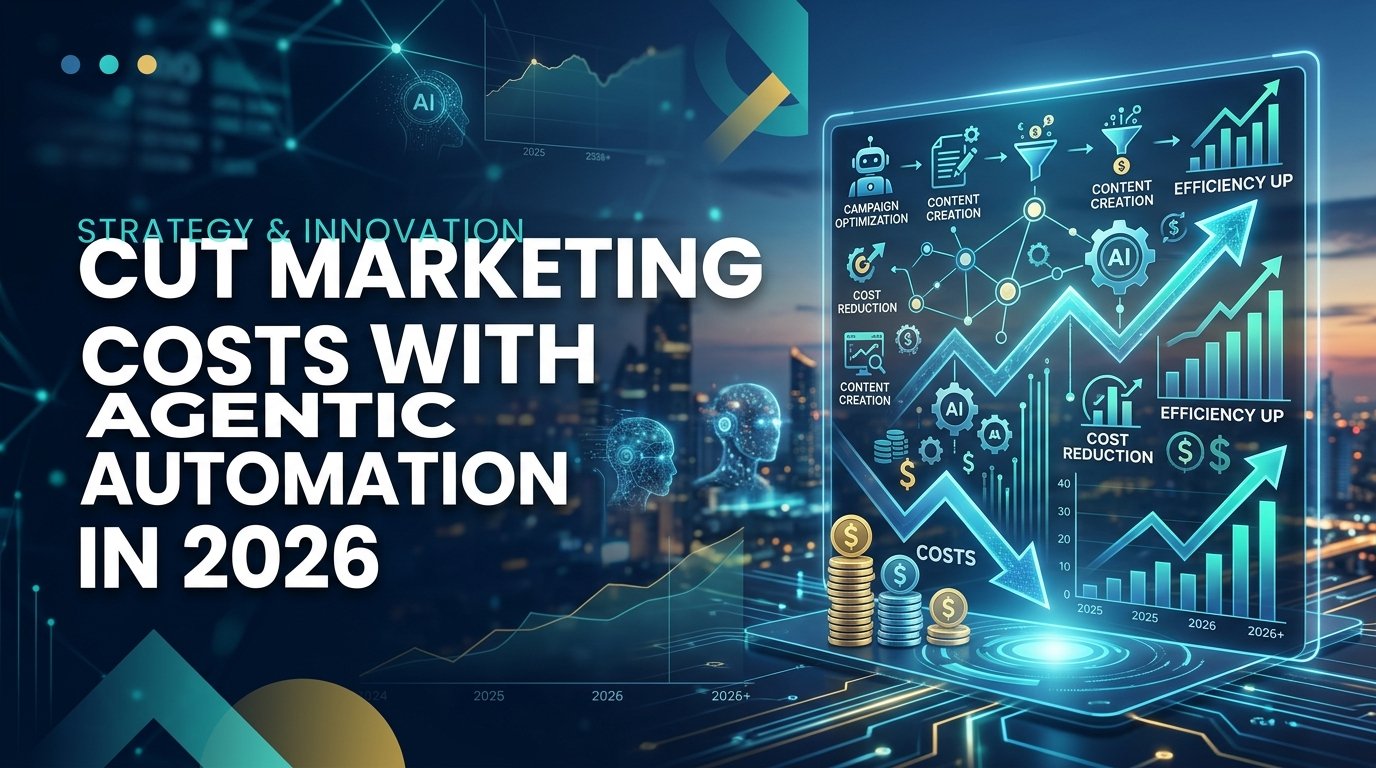
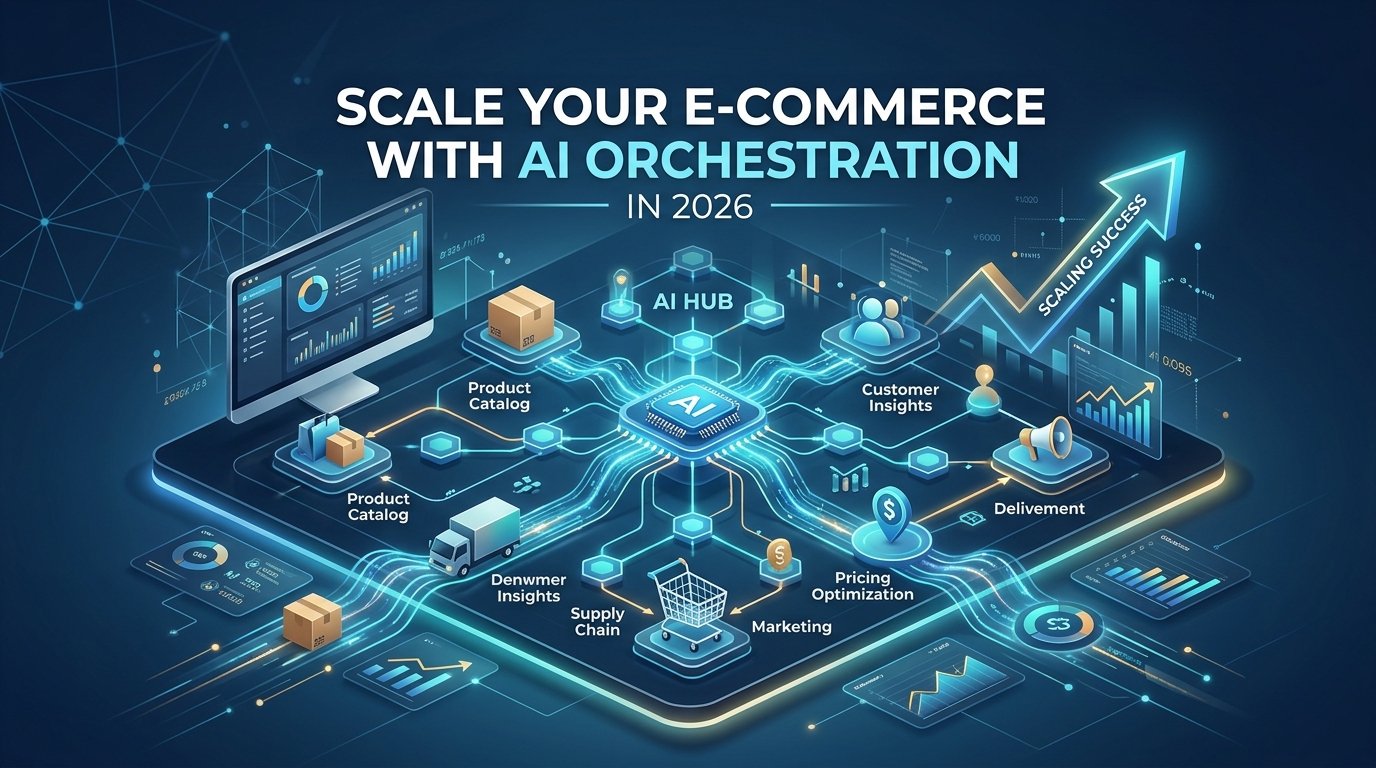
Think of multi-agent systems as having a team of specialized marketing assistants, each focused on specific tasks but working together seamlessly. Unlike single AI tools that handle one job, agentic automation involves multiple AI agents that communicate, coordinate, and make decisions autonomously to complete complex marketing workflows.
For example, one AI agent might monitor your website traffic and identify trending topics, another creates blog content around those topics, a third optimizes it for SEO, while a fourth schedules and distributes it across your social channels. They work together without you managing each step manually.
This approach differs dramatically from traditional marketing automation that follows rigid, pre-programmed rules. Autonomous AI agents adapt to changing circumstances, learn from results, and make intelligent decisions based on real-time data.
Why Small Businesses Need Agentic Workflows Now
The marketing landscape has become increasingly complex. Today’s customers interact with businesses across multiple channels—Instagram, Facebook, email, text messages, Google searches, and your website. Managing consistent, personalized communication across all these touchpoints manually is practically impossible for small teams.
A Miami-based boutique hotel we worked with was struggling with this exact challenge. Their two-person marketing team was drowning in daily tasks: responding to booking inquiries, creating social content, managing email campaigns, and monitoring reviews. After implementing multi-agent AI systems, they automated 70% of routine marketing tasks while actually improving response times and personalization.
The results? A 43% increase in direct bookings within three months and significantly less stress for their team. They shifted from firefighting daily tasks to focusing on strategy and guest experiences.
Key Components of Marketing AI Orchestration
Content Creation Agents
Content creation AI agents do more than generate blog posts. They analyze your brand voice, study your best-performing content, monitor industry trends, and create various content types—from social media captions to email newsletters to product descriptions. The key is they maintain consistency while adapting tone and style for different platforms and audiences.
Customer Engagement Agents
These agents handle customer interactions across channels. They respond to common questions, qualify leads, schedule appointments, and know when to escalate complex issues to human team members. Unlike chatbots that follow rigid scripts, modern autonomous AI learns from each interaction and provides increasingly personalized responses.
Analytics and Optimization Agents
Data analysis agents continuously monitor campaign performance, website metrics, and customer behavior. They identify patterns humans might miss and automatically adjust strategies. For instance, if an agent notices certain email subject lines perform better with specific customer segments, it applies those insights to future campaigns without waiting for manual analysis.
Distribution and Scheduling Agents
These agents determine optimal posting times, manage content calendars across platforms, and ensure consistent brand presence. They adapt schedules based on engagement patterns and can pause or boost content distribution based on performance.
Implementing Agentic Automation in Your Business
Start with Your Biggest Pain Point
Don’t try to automate everything at once. Identify the marketing task that consumes most of your time or causes the most frustration. For many South Florida businesses, that’s social media management or email follow-ups. Start there.
A Fort Lauderdale dental practice began by implementing AI agents solely for appointment reminders and follow-up communication. This single workflow saved their front desk staff approximately 15 hours weekly and reduced no-shows by 35%. After seeing these results, they expanded to content creation and patient education campaigns.
Choose the Right Platform for Multi-Agent Systems
Several platforms now offer marketing-focused agentic workflows without requiring coding knowledge. Look for solutions that integrate with your existing tools—your CRM, email platform, social media accounts, and website. The system should allow AI agents to access data from these sources and take actions across them.
Popular options in 2026 include comprehensive platforms that combine multiple AI agents with intuitive visual workflow builders. The investment typically ranges from a few hundred to several thousand dollars monthly, depending on scale and features—but consider this against the cost of hiring additional marketing staff.
Train Your AI Agents on Your Brand
The most effective multi-agent systems learn your specific business context. Feed them your brand guidelines, examples of your best content, customer personas, and company values. The more context they have, the better they’ll represent your business authentically.
This training phase typically takes a few weeks but pays dividends in output quality. A Boca Raton e-commerce store selling sustainable home goods spent three weeks training their content creation agents on brand voice and sustainability messaging. The result was AI-generated content that customers consistently described as “authentic” and “on-brand.”
Establish Clear Agent Roles and Handoffs
Define what each AI agent handles and when one agent should pass work to another. For example, your lead qualification agent might score incoming inquiries and automatically route hot leads to your sales follow-up agent, while sending lower-priority leads to a nurturing email sequence agent.
These handoffs should be seamless and logged so you maintain visibility into the customer journey. Good AI orchestration means customers never feel like they’re getting lost between automated systems.
Real-World Applications for South Florida Businesses
E-Commerce Operations
Online retailers use multi-agent systems to manage product descriptions, customer reviews, abandoned cart recovery, inventory alerts, and personalized product recommendations. AI agents monitor shopping behavior and automatically trigger relevant marketing messages at optimal times.
One Palm Beach County online clothing retailer implemented agents that analyze browsing behavior, create personalized email campaigns, and adjust product recommendations based on weather patterns and local events. During Miami Swim Week, their system automatically promoted relevant items to appropriate customer segments, resulting in a 67% sales increase compared to the previous year.
Service-Based Businesses
Contractors, consultants, healthcare providers, and professional services benefit from agents handling appointment scheduling, qualification questions, service education, and follow-up sequences. The AI maintains communication consistency while freeing staff to focus on service delivery.
A West Palm Beach law firm uses agentic workflows to manage initial client inquiries, schedule consultations, send case updates, and maintain client communication. This automated system ensures no potential client falls through the cracks while maintaining the personal touch the firm is known for.
Hospitality and Tourism
Hotels, restaurants, tour operators, and attractions use multi-agent systems for reservation management, personalized recommendations, review response, and targeted promotions based on booking patterns and seasonal trends.
Measuring Success with AI Agents
Track specific metrics to ensure your agentic automation delivers real business results:
- Time savings: Calculate hours your team previously spent on now-automated tasks
- Response times: Measure how quickly customers receive answers and engagement
- Conversion rates: Track leads, sales, and appointments generated through automated workflows
- Consistency: Monitor how reliably marketing tasks get completed without manual intervention
- ROI: Compare automation costs against the value of time saved and revenue generated
Most businesses see measurable improvements within 60-90 days of implementation, with benefits compounding as the AI agents learn and optimize over time.
Common Mistakes to Avoid
Many businesses stumble when first implementing autonomous AI by setting unrealistic expectations or poor oversight. Don’t assume AI agents will be perfect immediately—they need training and refinement. Always maintain human oversight, especially for customer-facing communication.
Avoid the temptation to automate personality out of your marketing. The best agentic workflows enhance your brand’s human qualities rather than replacing them with robotic efficiency. Your AI agents should sound like helpful team members, not obviously automated systems.
Finally, don’t neglect integration planning. AI agents need access to your customer data, marketing platforms, and communication channels. Poor integration creates disconnected experiences that frustrate customers rather than delight them.
The Future of Marketing Automation is Here
Multi-agent AI systems represent a fundamental shift in how small businesses approach marketing. Rather than choosing between expensive agency services, hiring full-time staff, or struggling to do everything yourself, you now have a fourth option: autonomous AI agents working as a coordinated team.
The technology has matured to the point where it’s accessible, affordable, and effective for businesses of all sizes. South Florida businesses implementing these systems in 2026 are gaining significant competitive advantages—better customer experiences, more consistent marketing, and dramatically improved efficiency.
The question isn’t whether to adopt agentic automation, but how quickly you can implement it strategically in your business. Start small, measure results, and expand as you see success. Your future marketing team might just be a group of AI agents working tirelessly behind the scenes while you focus on what you do best—running your business.
Ready to Transform Your Marketing with AI?
At UltraWeb Marketing, we help South Florida businesses implement multi-agent AI systems tailored to their specific needs and goals. We don’t believe in one-size-fits-all solutions or overwhelming you with corporate complexity. Our approach combines cutting-edge agentic automation with the personal attention and local expertise that small businesses deserve.
Whether you’re running an e-commerce store in Miami, a service business in Fort Lauderdale, or a hospitality operation anywhere in South Florida, we’ll help you identify the right AI workflows to reduce overwhelm, increase leads, and deliver measurable ROI. Contact us today to discuss how autonomous AI agents can become your most productive marketing team members.
Frequently Asked Questions
What’s the difference between regular marketing automation and multi-agent AI systems?
Traditional marketing automation follows rigid, pre-programmed rules—if this happens, then do that. Multi-agent AI systems use autonomous agents that make intelligent decisions, adapt to changing circumstances, learn from results, and coordinate with other AI agents to complete complex workflows. They’re more flexible, intelligent, and require less manual adjustment than traditional automation tools.
Do I need technical skills to implement agentic automation?
No. Modern multi-agent platforms designed for small businesses feature visual workflow builders and intuitive interfaces. While some technical setup may be required initially, working with an experienced partner like UltraWeb Marketing means you get expert implementation without needing coding knowledge or technical expertise on your team.
How much does multi-agent AI marketing automation cost?
Costs vary based on business size and complexity but typically range from $300 to $3,000 monthly for small to medium businesses. This includes platform fees and management. Compare this to hiring additional marketing staff or agency retainers, and most businesses find AI orchestration delivers superior ROI while providing 24/7 operation that human teams can’t match.
Will AI agents replace my marketing team?
No, AI agents enhance your team rather than replace them. They handle repetitive, time-consuming tasks like content distribution, initial customer inquiries, data analysis, and routine follow-ups. This frees your human team to focus on strategy, creativity, relationship building, and complex problem-solving—the areas where humans excel and AI still falls short.
How long does it take to see results from agentic workflows?
Most businesses notice immediate time savings once workflows are implemented. Measurable improvements in marketing metrics like response times, lead generation, and conversion rates typically appear within 60-90 days as the AI agents learn and optimize. Results compound over time as the system gathers more data and refines its approach.
Can multi-agent systems work with my existing marketing tools?
Yes, quality AI orchestration platforms integrate with popular CRMs, email marketing services, social media platforms, website builders, and analytics tools. Integration capability is actually one of the key advantages—AI agents can access data and take actions across all your existing systems, creating coordinated workflows that were previously impossible to manage manually.