Your online store receives hundreds of visitors each month, but how many of them actually convert into paying customers? If you’re like most e-commerce business owners in South Florida, you’re probably wondering why so many potential buyers browse your products but leave without making a purchase. The answer might surprise you: shoppers today expect personalized experiences tailored specifically to their needs, and traditional e-commerce websites simply can’t deliver that level of customization at scale.
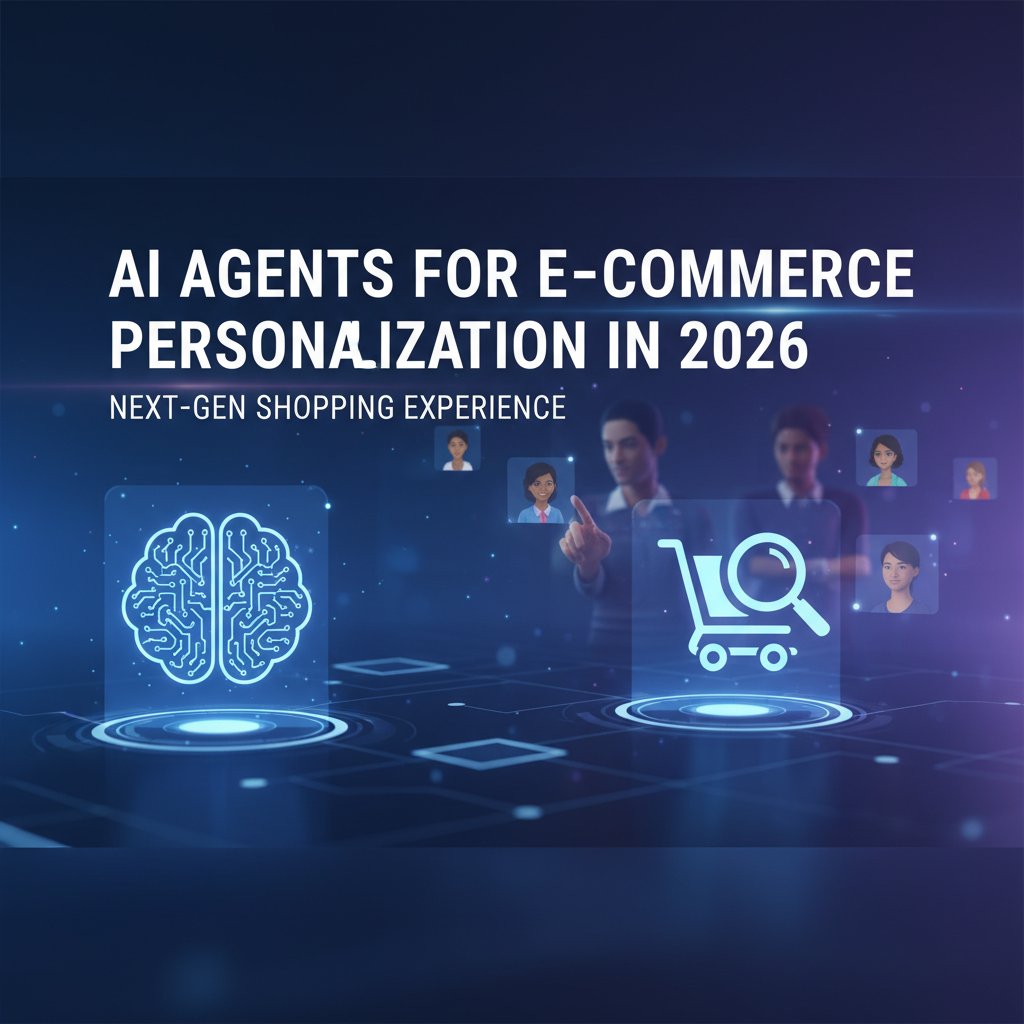
Enter AI agents—the game-changing technology that’s revolutionizing how online stores interact with customers in 2026. Unlike basic chatbots or simple recommendation engines, autonomous AI agents actively learn from customer behavior, anticipate needs, and create unique shopping experiences for each visitor. For South Florida business owners running e-commerce operations, understanding how to leverage these intelligent systems can mean the difference between struggling to compete and dominating your market.
What Are AI Agents and Why They Matter for E-commerce
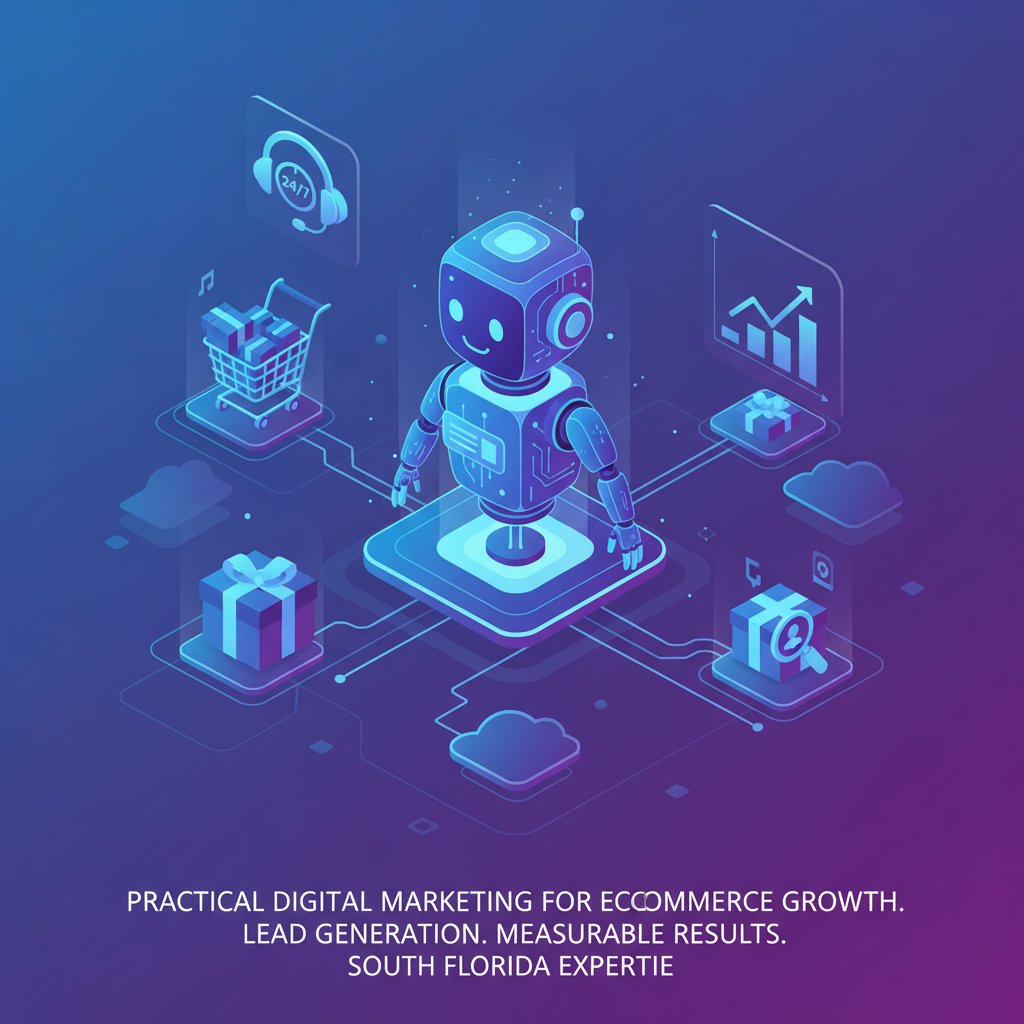
AI agents are sophisticated software programs that can perceive their environment, make decisions, and take actions to achieve specific goals—all without constant human intervention. Think of them as virtual employees who work 24/7, continuously improving at their jobs by learning from every customer interaction.
In the context of e-commerce, these autonomous AI systems go far beyond displaying “customers also bought” suggestions. They analyze browsing patterns, purchase history, demographic information, time spent on pages, cart abandonment behavior, and hundreds of other data points to create deeply personalized shopping experiences.
For a Miami-based boutique clothing store, this might mean showing different homepage layouts to returning customers versus first-time visitors. For a Fort Lauderdale specialty food retailer, it could involve sending personalized recipe suggestions based on previous purchases. The possibilities are virtually endless, and the results are measurable.
How AI Agents Transform the Customer Journey
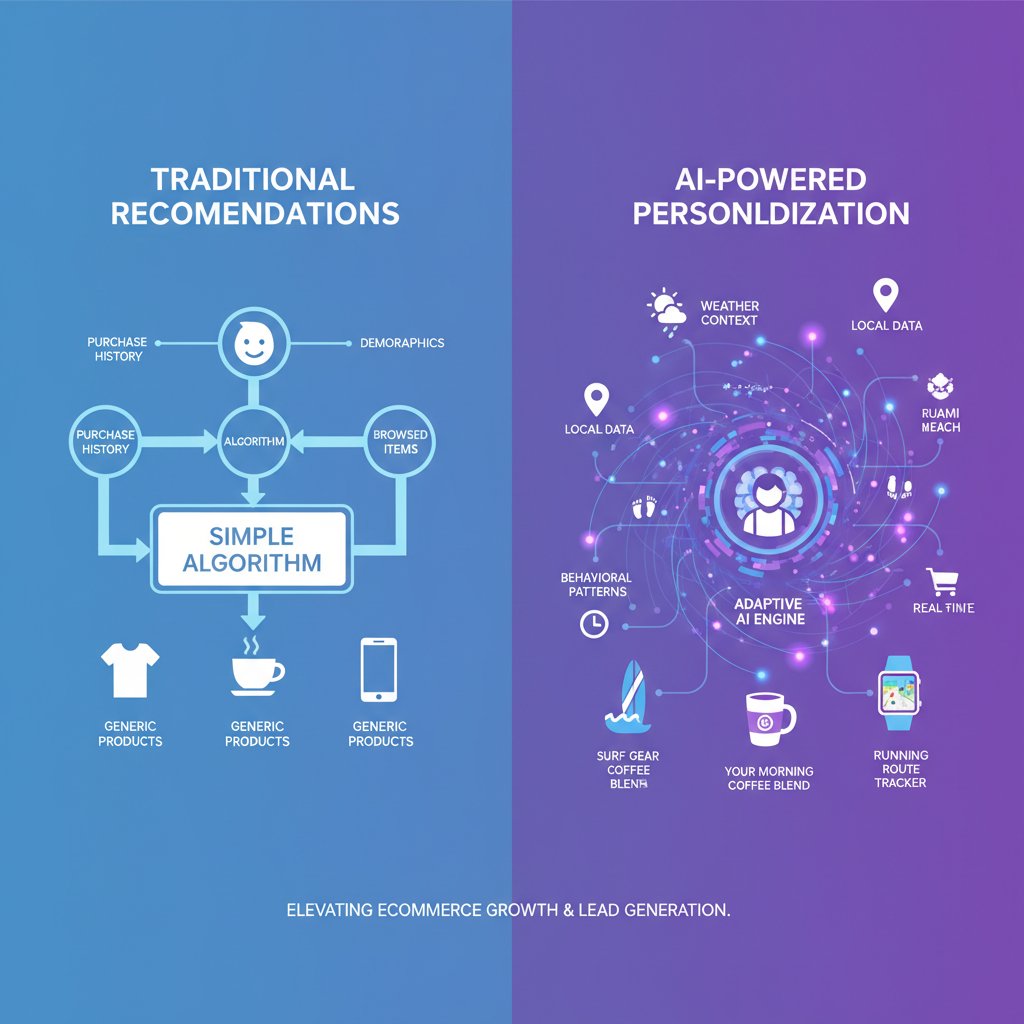
Personalized Product Recommendations
Traditional recommendation engines use basic algorithms that look at what similar customers purchased. AI agents take this concept to an entirely new level. They consider contextual factors like current weather in South Florida (suggesting lighter clothing during summer months), upcoming local events, seasonal trends, and even the time of day someone is shopping.
A Boca Raton home decor store we worked with implemented AI agents that recognized when customers were browsing from mobile devices during evening hours. The system automatically highlighted quick-purchase items and one-click checkout options, resulting in a 34% increase in mobile conversions within the first two months.
Dynamic Pricing and Promotions
Autonomous AI can adjust pricing strategies in real-time based on inventory levels, competitor pricing, customer loyalty, and individual purchasing power. This doesn’t mean gouging customers—it means offering the right discount to the right person at the right time to maximize both sales and customer satisfaction.
For example, the AI might identify that a customer has visited your site three times looking at a specific product. Instead of letting them leave again, it could trigger a limited-time offer or free shipping incentive specifically for that item, displayed as a personalized message.
Intelligent Customer Support
AI agents can handle customer inquiries with unprecedented sophistication. They understand context, remember previous conversations, and can seamlessly escalate complex issues to human team members when necessary. Unlike basic chatbots that frustrate customers with canned responses, these systems provide genuinely helpful assistance.
A West Palm Beach electronics retailer integrated AI agents into their customer support workflow and saw their average response time drop from four hours to under two minutes, while customer satisfaction scores increased by 41%.
Implementing AI Agents in Your E-commerce Store
Choosing the Right Platform
Your choice of e-commerce platform significantly impacts how easily you can implement AI agents. Modern custom ecommerce solutions are being built from the ground up with AI integration in mind. If you’re working with a Shopify developer in South Florida, ask specifically about their experience implementing AI-powered personalization tools.
Shopify, BigCommerce, and custom-built platforms all offer different levels of AI capability. The key is finding a solution that matches your business size, technical resources, and growth plans. For most South Florida small to medium businesses, working with experienced local developers who understand both the technology and your market provides the best results.
Data Collection and Privacy
AI agents need data to function effectively, but you must collect and use that information responsibly. In 2026, privacy regulations are stricter than ever, and customers are increasingly aware of how their data is being used.
Successful implementation requires transparent data policies, secure storage systems, and clear opt-in mechanisms. Your ecommerce website development should include robust data management from day one, not as an afterthought. When customers trust you with their information, they’re more likely to engage with personalized features.
Starting Small and Scaling
You don’t need to implement every AI feature at once. Start with one or two high-impact areas that address your biggest challenges. If cart abandonment is your primary issue, begin with AI agents focused on recovery campaigns. If product discovery is the problem, prioritize recommendation engines.
A Coral Springs supplement company started with a simple AI-powered quiz that recommended products based on customer goals and dietary restrictions. This single feature increased their average order value by 28% and provided valuable data that informed their entire online store development strategy going forward.
Real-World Success Stories from South Florida
A family-owned jewelry store in Delray Beach was struggling to compete with national chains. Their products were high-quality and competitively priced, but their website offered the same generic experience to everyone. After implementing AI agents through custom ecommerce solutions, they saw remarkable changes.
The AI began recognizing patterns—customers browsing engagement rings typically visited multiple times before purchasing, often comparing several options. The system started creating personalized comparison tools, sending follow-up emails with detailed information about previously viewed items, and offering virtual consultation bookings at optimal times based on user behavior. Within six months, their online sales increased by 67%, and their average transaction value grew by $340.
Another example comes from a Pompano Beach fitness equipment retailer. They integrated autonomous AI that created personalized workout plans based on equipment purchases, which then recommended complementary products at strategic intervals. The AI tracked customer engagement with the workout content and adjusted recommendations accordingly. This approach transformed one-time buyers into repeat customers, with lifetime customer value increasing by 91%.
Common Challenges and How to Overcome Them
Integration Complexity
Many business owners worry that implementing AI agents requires extensive technical knowledge or massive IT infrastructure. While enterprise-level solutions can be complex, modern platforms designed for small to medium businesses make AI integration increasingly accessible.
Working with experienced professionals who specialize in online store development ensures smooth implementation without disrupting your current operations. The right development partner will handle technical complexities while keeping you informed and in control of strategic decisions.
Cost Concerns
AI implementation doesn’t have to break the bank. Many platforms now offer tiered pricing models that scale with your business. The initial investment typically pays for itself quickly through increased conversion rates and higher average order values.
Consider the real cost of not personalizing your customer experience: lost sales, lower customer lifetime value, and falling behind competitors who are leveraging these technologies. When evaluated against these opportunity costs, AI implementation becomes a necessary investment rather than an optional expense.
Maintaining the Human Touch
Some business owners fear that AI will make their store feel impersonal or robotic. The opposite is actually true when implemented correctly. AI agents handle routine tasks and data analysis, freeing your human team to focus on complex customer needs and relationship building.
The goal isn’t to replace human interaction—it’s to enhance it by ensuring customers receive relevant, timely assistance whether they’re interacting with AI or your staff.
Future-Proofing Your E-commerce Business
AI technology continues evolving rapidly. What’s cutting-edge today will be standard tomorrow, and what seems impossible now will be routine in a year. Building your e-commerce infrastructure with AI capabilities from the start positions your business to adapt and grow.
This means choosing flexible platforms, working with developers who stay current with emerging technologies, and maintaining a mindset of continuous improvement. Your ecommerce website development should be viewed as an ongoing process, not a one-time project.
Getting Started Today
If you’re running an e-commerce business in South Florida and haven’t yet explored AI agents for personalization, now is the time to start. Your competitors are already implementing these technologies, and customer expectations continue rising.
Begin by auditing your current customer experience. Where are people dropping off? What questions do they ask repeatedly? Which products have high views but low conversion rates? These pain points are perfect opportunities for AI intervention.
Next, research platforms and developers who specialize in custom ecommerce solutions with AI capabilities. Look for proven track records, particularly with businesses similar to yours in size and industry. A qualified Shopify developer in South Florida should be able to discuss specific AI tools, implementation timelines, and expected results based on your unique situation.
Frequently Asked Questions
How much does it cost to implement AI agents in my e-commerce store?
Costs vary widely depending on your platform, business size, and desired features. Basic AI personalization tools start around $100-300 monthly for small stores, while custom ecommerce solutions with advanced autonomous AI can range from $5,000-25,000 for initial development plus ongoing fees. Most South Florida businesses see positive ROI within 3-6 months through increased conversions and average order values.
Will AI agents work with my existing Shopify store?
Yes, Shopify supports numerous AI integration options through apps and custom development. A qualified Shopify developer in South Florida can assess your current setup and recommend the best AI tools that integrate seamlessly without requiring a complete rebuild of your online store.
How long does it take to see results from AI personalization?
Most businesses notice measurable improvements within 30-60 days as the AI agents collect data and optimize their recommendations. However, AI systems continue learning and improving over time, so results typically strengthen over 6-12 months as the technology better understands your customers and products.
Do I need technical expertise to manage AI agents?
No, modern AI platforms are designed for business owners, not programmers. While initial setup often requires professional ecommerce website development, day-to-day management typically involves simple dashboards and settings that anyone can learn. Your development partner should provide training and ongoing support.
Can AI agents help reduce cart abandonment?
Absolutely. Autonomous AI excels at identifying abandonment patterns and triggering personalized recovery campaigns. By analyzing why specific customers abandon carts—price concerns, shipping costs, browsing behavior—AI agents can deploy targeted interventions like personalized discounts, free shipping offers, or product alternatives at optimal times.
Take Your E-commerce Store to the Next Level
The competitive landscape for e-commerce in 2026 demands more than just listing products online. Customers expect personalized, intuitive experiences that anticipate their needs and make shopping effortless. AI agents deliver exactly that, transforming your online store from a static catalog into a dynamic, customer-focused platform.
At UltraWeb Marketing, we specialize in helping South Florida businesses implement cutting-edge e-commerce solutions that drive real results. Our team combines technical expertise in online store development with deep understanding of local markets and small business challenges. Whether you need a complete custom ecommerce solution or want to enhance your existing Shopify store with AI capabilities, we provide personalized attention and proven strategies.
Don’t let your competition pull ahead while you’re still offering generic shopping experiences. Contact UltraWeb Marketing today to discuss how AI agents can transform your e-commerce business, increase conversions, and create loyal customers who keep coming back. Let’s build something remarkable together.