Service businesses in South Florida are sitting on a goldmine opportunity that most haven’t tapped into yet. While your competitors are still manually qualifying leads and chasing cold prospects, forward-thinking companies are now using AI agents to generate qualified leads around the clock. The difference? Businesses implementing AI-powered lead generation systems are seeing 3-5x more qualified appointments without expanding their sales teams.
If you’re a service business owner feeling overwhelmed by the constant pressure to generate new leads while delivering excellent service to existing clients, you’re not alone. The good news is that 2026 has brought us agentic automation tools that work autonomously to attract, qualify, and nurture leads while you focus on what you do best—serving your customers.
What Makes AI Lead Generation Different in 2026
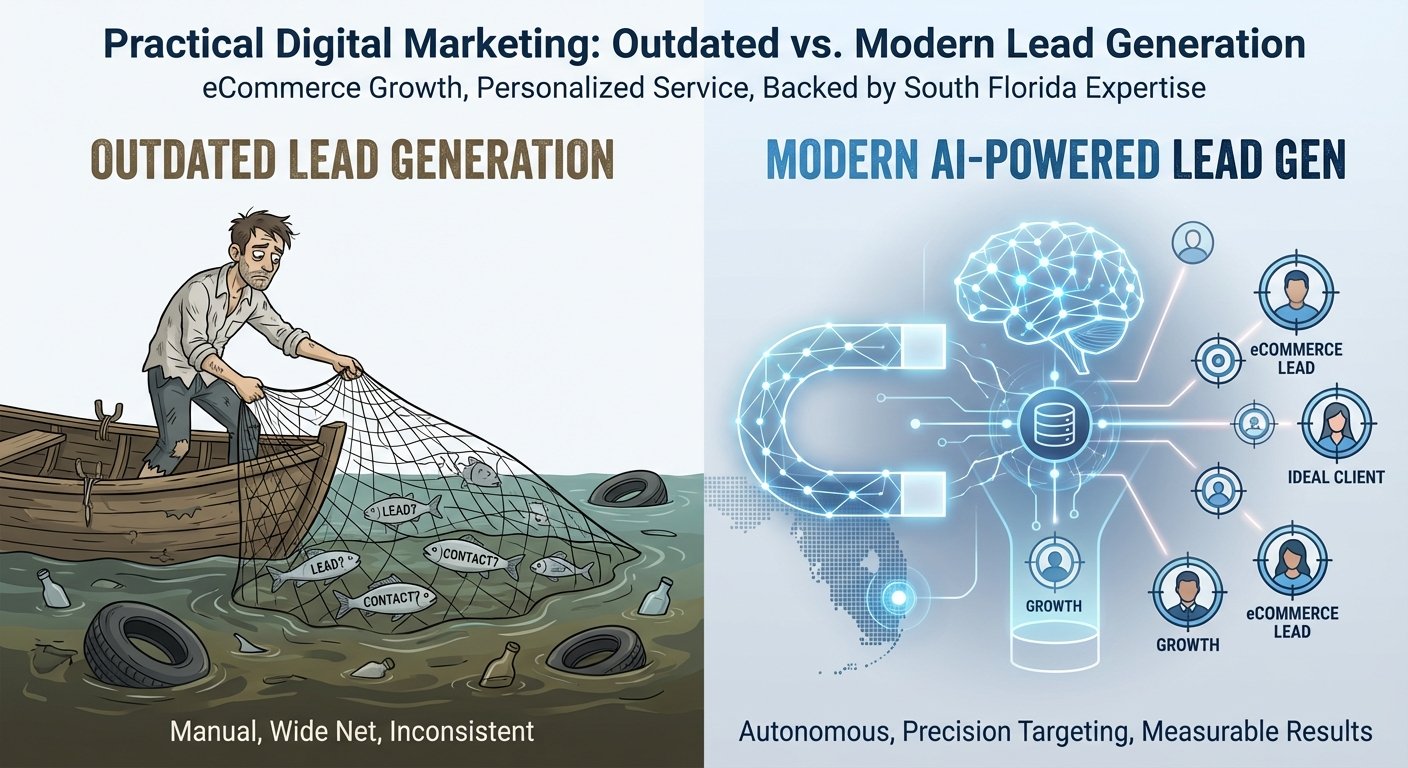
Traditional lead generation meant casting a wide net and hoping something stuck. You’d run Google ads, post on social media, maybe send some emails, and wait for responses. The problem? This approach required constant manual effort and delivered inconsistent results.
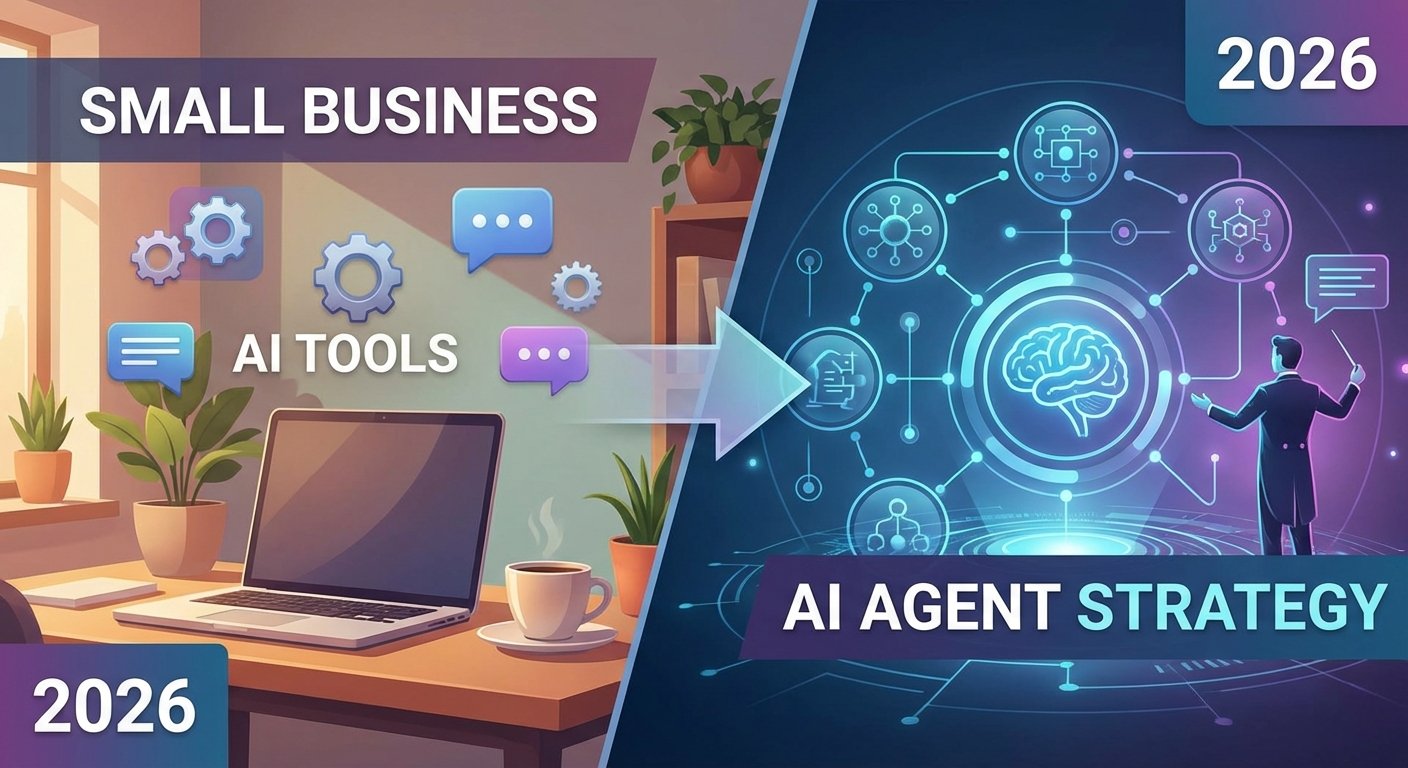
Today’s autonomous AI systems change everything. These aren’t simple chatbots that frustrate potential customers with canned responses. Modern AI agents understand context, learn from interactions, and make decisions based on your specific business goals. They’re handling complex agentic workflows that previously required entire marketing teams.
For a South Florida HVAC company we worked with, implementing AI agents meant their lead qualification process went from taking 48 hours down to under 5 minutes. The AI asks the right questions, checks service areas, provides accurate pricing estimates, and books appointments directly into technicians’ calendars. The result? A 340% increase in booked appointments within 90 days.
The Core Components of an AI-Powered Lead System
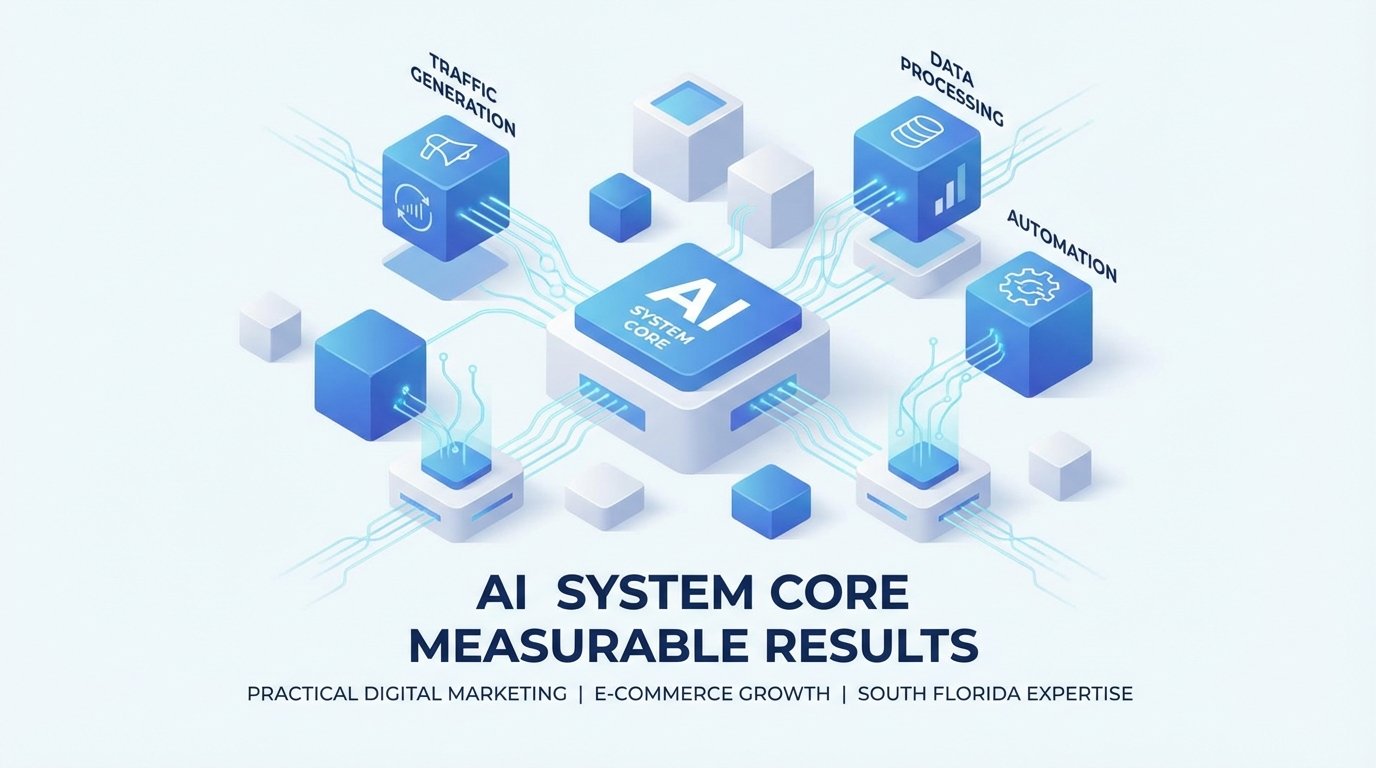
Building an effective AI lead generation system isn’t about buying expensive software and hoping it works. It requires strategically connecting several components that work together seamlessly.
Intelligent Traffic Generation
Your AI system needs qualified traffic to work with. This is where small business SEO and google ads management become critical. The AI can’t generate leads from thin air—it needs visitors coming to your website or engaging with your social media management efforts.
Smart service businesses in 2026 are using AI to optimize their traffic sources continuously. AI tools now analyze which keywords are bringing in customers who actually convert, automatically adjusting bids on Google Ads campaigns and identifying content opportunities that attract your ideal clients.
A local plumbing company increased their lead volume by 280% by letting AI manage their Google Ads account. The AI identified that emergency service keywords converting at 3am commanded different bid strategies than routine maintenance searches during business hours. It made hundreds of micro-adjustments that would have been impossible manually.
Autonomous Lead Qualification
Not every lead deserves equal attention. Your AI agents should be qualifying prospects based on criteria that matter to your business: budget, timeline, service area, and genuine need.
Here’s how agentic automation handles this better than traditional methods: The AI engages every website visitor or form submission immediately, asks qualifying questions conversationally, and routes high-value prospects to your sales team while nurturing lower-priority leads until they’re ready.
One landscaping business we helped saw their sales team’s productivity double because they stopped chasing unqualified leads. The AI was filtering out price shoppers and people outside their service area before any human got involved.
Personalized Follow-Up at Scale
The fortune is in the follow-up, but most service businesses fail here because manual follow-up doesn’t scale. AI agents excel at persistent, personalized follow-up that adapts based on prospect behavior.
These systems track when prospects open emails, what pages they visit, and which services they’re researching. Then they automatically send relevant information at optimal times. If someone looked at your commercial services page three times but hasn’t requested a quote, the AI might send a case study about a similar business you helped.
Building Your System: A Practical Roadmap
Let’s get tactical. Here’s how to actually build an AI-powered lead generation system for your service business without getting lost in technical complexity.
Step 1: Define Your Ideal Customer Profile
Your AI is only as smart as the instructions you give it. Start by documenting exactly what makes a lead qualified for your business:
- What geographic areas do you serve?
- What’s your minimum project size or service fee?
- What problems do your best customers need solved?
- What questions indicate someone is ready to buy versus just researching?
- What red flags suggest a prospect won’t be a good fit?
A South Florida pool maintenance company we worked with discovered their best customers were homeowners with pools over 20,000 gallons who previously managed maintenance themselves. Their AI now specifically identifies and prioritizes these prospects.
Step 2: Optimize Your Digital Foundation
AI agents need a solid foundation to work from. This means your website, Google Business Profile, and social media presence must be dialed in. The AI will drive traffic and engagement, but if your digital properties aren’t conversion-optimized, you’re wasting opportunities.
Focus on these elements:
- Clear service descriptions that address customer pain points
- Multiple conversion opportunities (phone, form, chat, booking)
- Social proof like reviews and case studies
- Fast-loading pages optimized for mobile
- Local SEO elements that help you dominate South Florida searches
Step 3: Implement Conversational AI
This is where autonomous AI enters the picture. Modern AI agents can handle sophisticated conversations across your website, social media messages, text messages, and even voice calls.
The key is training your AI agent on your specific business. It needs to understand your services, pricing structure, common objections, and the questions prospects typically ask. The best implementations include feedback loops where your sales team flags conversations that the AI handled poorly, allowing continuous improvement.
Don’t expect perfection on day one. One electrical contractor told us their AI agent felt “robotic” initially, but after two weeks of training and refinement, prospects couldn’t tell they weren’t talking to a human team member.
Step 4: Connect Your Agentic Workflows
Here’s where the magic happens. Agentic workflows mean your AI doesn’t just respond to inquiries—it takes initiative. It proactively follows up with prospects, re-engages cold leads when relevant triggers occur, and coordinates between different marketing channels.
For example, if someone requests a quote but doesn’t respond to the initial proposal, your agentic workflow might:
- Wait 48 hours, then send a follow-up email addressing common concerns
- If still no response after 4 days, send a text message with a limited-time incentive
- After 7 days, retarget them with social media ads featuring testimonials
- If they visit your website again, trigger an immediate notification to your sales team
This level of coordination is impossible to maintain manually, but AI handles it effortlessly for hundreds of prospects simultaneously.
Step 5: Integrate with Google Ads and Social Media
Your AI system should feed data back to your google ads management and social media management efforts. When the AI identifies which lead sources produce the highest-quality prospects, it should automatically adjust ad spending to prioritize those channels.
A pest control company increased their ROI by 190% when they connected their AI lead system to their advertising. The AI discovered that Facebook ads targeting specific South Florida neighborhoods converted 4x better than their Google Search campaigns, prompting a budget reallocation that dramatically improved results.
Measuring Success: Metrics That Matter
AI-powered lead generation delivers measurable results. Track these key performance indicators:
- Response time: How quickly does your AI engage new leads? (Goal: under 60 seconds)
- Qualification rate: What percentage of leads meet your ideal customer criteria?
- Appointment booking rate: How many qualified leads turn into scheduled appointments?
- Cost per qualified lead: What are you spending to acquire leads that match your criteria?
- Lead-to-customer conversion rate: What percentage of qualified leads become paying customers?
One roofing company we helped went from a 2% lead-to-customer conversion rate to 11% within four months of implementing their AI system. The difference? Every lead got immediate attention, perfect follow-up, and was matched with the right sales representative based on their specific needs.
Common Pitfalls to Avoid
Building an AI lead generation system isn’t foolproof. Watch out for these mistakes that trip up service businesses:
Overcomplicating the technology: You don’t need a complex custom-built system. Start with proven tools designed for service businesses and add sophistication as you learn what works.
Neglecting the human element: AI handles volume and consistency beautifully, but high-value prospects often want human interaction before making decisions. Design handoff points where your sales team takes over.
Setting and forgetting: Your AI system needs ongoing optimization. Review conversations weekly, adjust qualification criteria as your business evolves, and continuously train your AI based on real results.
Ignoring data privacy: Make sure your AI system complies with data protection regulations and clearly communicates to prospects that they’re interacting with AI when required by law.
The South Florida Advantage
If you’re running a service business in South Florida, you have unique opportunities. The competitive landscape here means businesses that adopt AI-powered lead generation early will dominate their markets.
Local small business SEO combined with AI follow-up is particularly powerful in markets like Miami, Fort Lauderdale, and West Palm Beach where customers have countless options. When your business responds instantly with personalized information while competitors take hours or days to follow up, you win.
Take the First Step
Building an AI-powered lead generation system might sound overwhelming, but you don’t have to do it alone. The most successful service businesses partner with digital marketing experts who understand both the technology and the unique challenges of service-based industries.
At UltraWeb Marketing, we’ve helped dozens of South Florida service businesses implement AI agents and agentic automation that delivers real results. We handle the technical complexity while you focus on serving customers and growing your business.
Ready to 3x your qualified leads without expanding your sales team? Let’s talk about building an AI-powered lead generation system customized for your specific business. Contact UltraWeb Marketing today for a free consultation and see how autonomous AI can transform your lead generation.
Frequently Asked Questions
How much does it cost to implement an AI lead generation system?
Implementation costs vary based on your business size and complexity, but most service businesses can start with effective AI lead generation for $500-$1500 per month, including software, setup, and management. This typically delivers ROI within 60-90 days through increased lead volume and conversion rates.
Will customers know they’re talking to AI?
Modern AI agents conduct natural conversations that most prospects don’t identify as automated. However, transparency is important—your system should identify itself as AI when asked directly or when legally required. Most customers care more about getting quick, helpful answers than whether they’re talking to AI or a human.
How long does it take to see results from AI lead generation?
Most service businesses see immediate improvements in response time and lead engagement within the first week. Meaningful increases in qualified leads typically appear within 30-45 days as the AI learns and optimizes. Full system maturity usually takes 90 days, after which results continue improving.
Can AI handle complex service offerings?
Yes, AI agents can be trained on complex service offerings, pricing structures, and qualification criteria. They excel at gathering information, answering common questions, and routing complex inquiries to the appropriate human team members. The key is proper training and clear escalation protocols.
What’s the difference between AI chatbots and AI agents?
Traditional chatbots follow scripted decision trees and provide predetermined responses. AI agents use autonomous AI to understand context, make decisions, take initiative, and handle complex agentic workflows. They learn from interactions and can manage multi-step processes like qualification, follow-up, and appointment scheduling without human intervention.