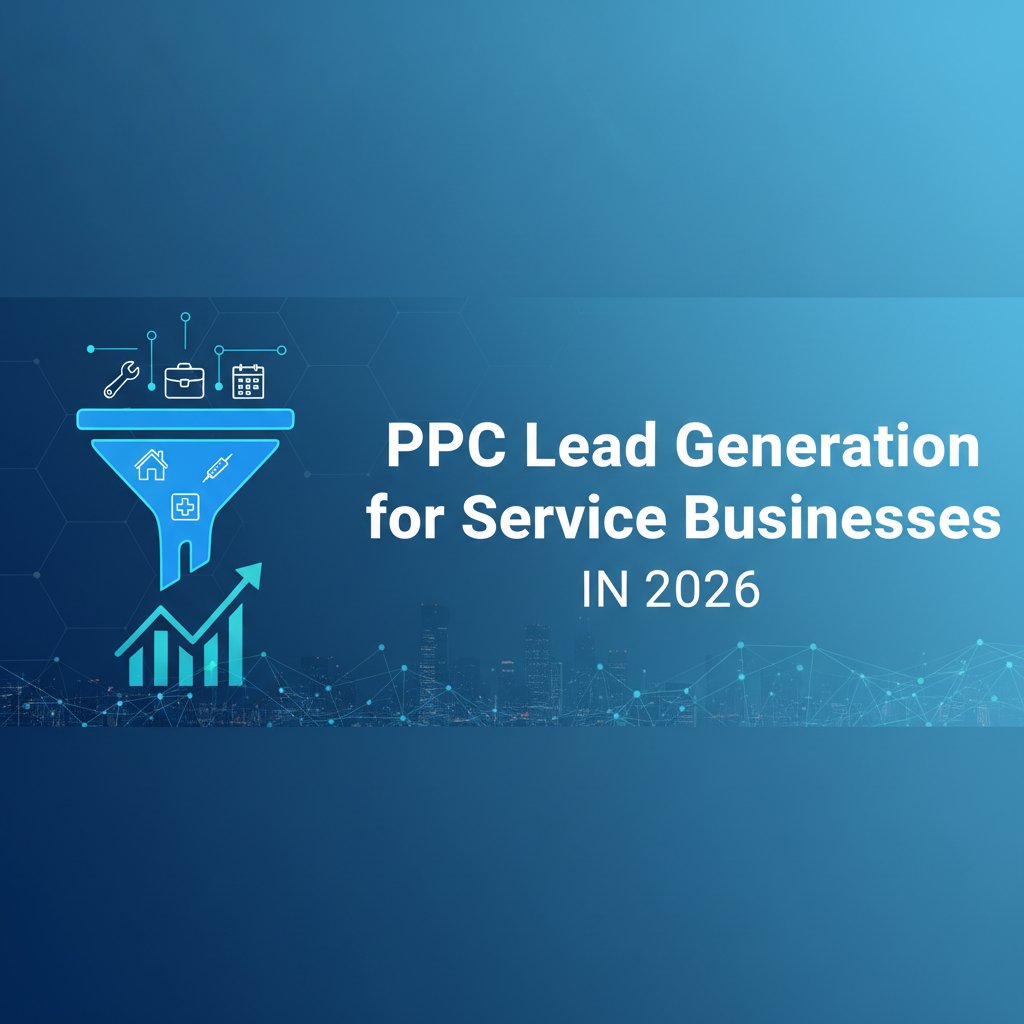
Service businesses face a unique challenge in 2026: how do you consistently attract qualified leads without breaking the bank? While organic marketing builds slowly over time, pay per click advertising delivers immediate visibility and measurable results. For South Florida service providers—from HVAC companies to law firms—PPC has evolved into the most cost-effective way to generate high-quality leads on demand.
The landscape of PPC management services has transformed dramatically. With AI-powered bidding strategies, advanced audience targeting, and sophisticated conversion tracking, Google ads management in 2026 is more powerful—and more complex—than ever before. But here’s the good news: when executed correctly, PPC campaigns can deliver qualified leads at a predictable cost, turning your ad spend into a reliable revenue generator.
Why Service Businesses Need PPC in 2026
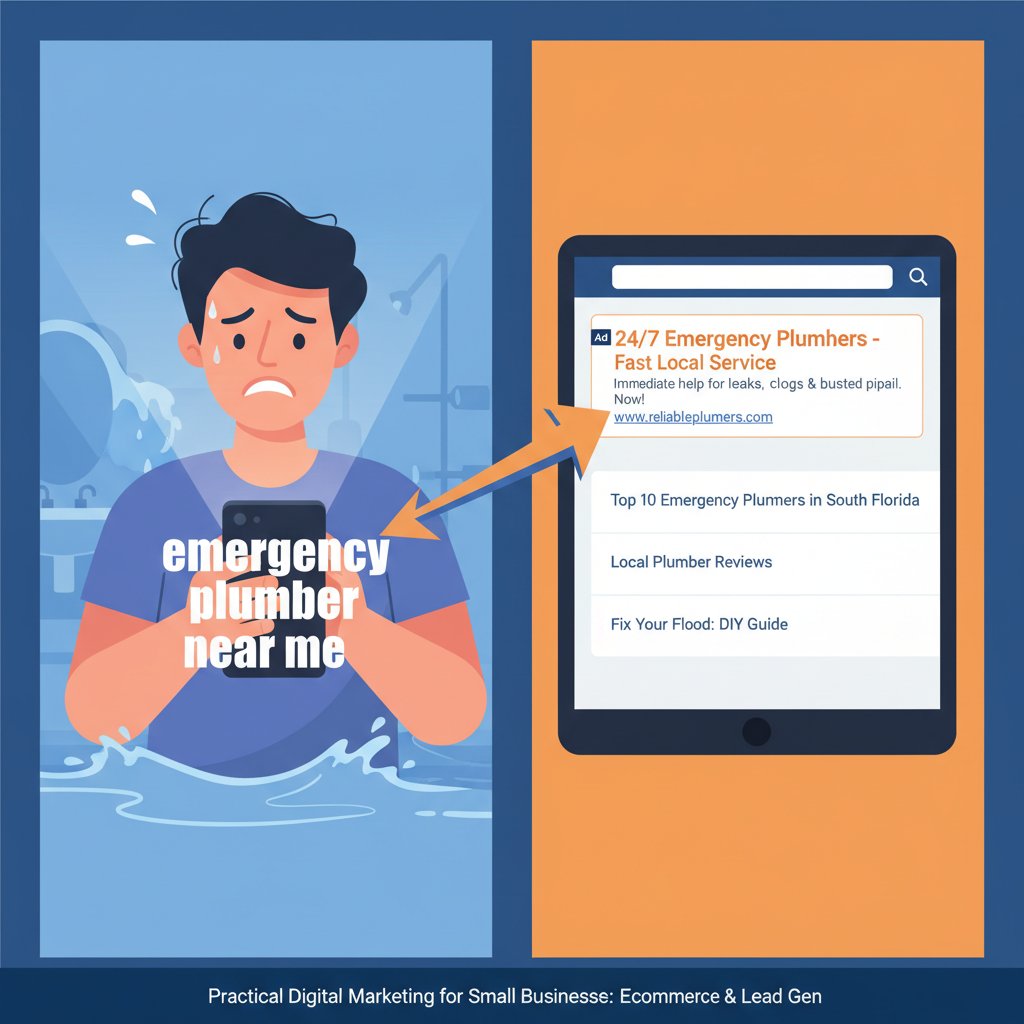
Service businesses operate differently than product-based companies. Your customers aren’t browsing casually—they’re searching with intent. When someone types “emergency plumber near me” or “personal injury lawyer Fort Lauderdale,” they need help now. Search advertising services put you in front of these high-intent prospects at exactly the right moment.
Traditional marketing channels struggle with this immediacy. SEO takes months to build momentum. Social media requires consistent content creation. But PPC campaigns can launch in days and start generating leads within hours. For service businesses with seasonal fluctuations or immediate growth goals, this speed is invaluable.
The return on investment speaks for itself. A well-managed PPC campaign for service businesses typically delivers cost-per-lead rates between $50 and $200, depending on your industry. Compare that to the lifetime value of a new client—often thousands of dollars—and the math becomes compelling.
Understanding the 2026 PPC Landscape
Google Ads in 2026 operates on sophisticated machine learning algorithms that optimize billions of data points in real-time. The platform now automatically adjusts bids based on user behavior patterns, device types, time of day, and even weather conditions. For South Florida businesses, this means your ads can automatically bid higher when hurricane season drives home repair searches.
The key difference between successful and unsuccessful campaigns isn’t just budget—it’s strategic execution. A google ads consultant focuses on three critical elements: targeting the right audience, crafting compelling ad copy, and optimizing landing pages for conversions. Miss any one of these, and your ad spend evaporates without results.
The Role of AI in Modern PPC
Artificial intelligence has revolutionized pay per click advertising. Smart Bidding strategies like Target CPA and Maximize Conversions use machine learning to predict which clicks are most likely to convert. For service businesses, this means Google’s algorithms can identify users who match your best customer profiles and bid more aggressively to capture those clicks.
However, AI isn’t autopilot. The algorithms need quality data to learn from. This means proper conversion tracking setup, sufficient conversion volume, and ongoing human oversight to ensure the AI stays aligned with your business goals.
Building Your PPC Lead Generation Strategy
Effective lead generation through PPC starts with understanding your customer journey. Service businesses typically see prospects in two mindsets: emergency needs and planned projects. Your PPC strategy must address both.
Step 1: Keyword Research and Selection
Start with high-intent keywords that signal immediate need. For a roofing company, “roof repair Miami” indicates urgency, while “roofing materials cost” suggests research phase. Focus your budget on keywords closest to conversion.
Use keyword match types strategically. Exact match keywords give you control and higher conversion rates but limit reach. Phrase match provides balance. Broad match, when combined with smart bidding, can uncover valuable search queries you hadn’t considered. A professional google ads management service typically uses a mix of all three, adjusted based on performance data.
Step 2: Campaign Structure That Scales
Organize campaigns by service type, not just geography. Create separate campaigns for your highest-value services, allowing you to allocate budget based on profitability. A typical structure might include:
- Emergency Services Campaign: Higher bids, 24/7 scheduling, mobile-focused
- Premium Services Campaign: Targeting affluent zip codes with higher average project values
- Competitive Conquest Campaign: Bidding on competitor names to capture comparison shoppers
- Remarketing Campaign: Re-engaging visitors who didn’t convert initially
Step 3: Ad Copy That Converts
Your ad copy needs to accomplish three things in limited space: grab attention, demonstrate value, and inspire action. In 2026, responsive search ads allow up to 15 headlines and 4 descriptions, with Google’s AI testing combinations to find top performers.
Include specific credibility indicators. “Licensed & Insured,” “Same-Day Service,” or “20+ Years in Boca Raton” build trust immediately. Use ad extensions aggressively—callout extensions, structured snippets, and location extensions all increase click-through rates and provide more information without additional cost.
Step 4: Landing Page Optimization
The most expensive mistake in PPC is driving traffic to generic homepage. Every campaign needs dedicated landing pages aligned with the ad promise. If your ad promotes “24-Hour Emergency AC Repair,” the landing page should reinforce that exact service with a prominent phone number and quick contact form.
South Florida service businesses see dramatically higher conversion rates with landing pages that include:
- Clear headline matching the ad copy
- Visible phone number (click-to-call on mobile)
- Trust signals: reviews, certifications, years in business
- Simple form requesting only essential information
- Local imagery showing your service area
Advanced PPC Tactics for Service Businesses
Location-Based Bid Adjustments
Not all South Florida neighborhoods offer equal opportunity. Analyze your customer data to identify zip codes with highest lifetime value, then bid more aggressively in those areas. Conversely, reduce bids in locations with lower conversion rates or higher service costs.
Dayparting for Maximum ROI
Review when your best leads come in, then adjust ad scheduling accordingly. Many service businesses find that calls during business hours convert better than late-night form submissions. Others discover that evening searches generate leads that close at higher rates. Let the data guide your scheduling decisions.
Audience Layering
Combine search intent with audience signals. You can increase bids for users who have previously visited your website, fit demographic profiles matching your best customers, or are in-market for your services. This layered approach dramatically improves efficiency.
Measuring What Matters
Vanity metrics like impressions and clicks don’t pay the bills. Focus on measurements that tie to business outcomes:
- Cost Per Lead (CPL): Total ad spend divided by qualified leads generated
- Conversion Rate: Percentage of clicks that become leads
- Lead-to-Customer Rate: What percentage of PPC leads become paying customers
- Customer Acquisition Cost (CAC): Total cost to acquire a new customer through PPC
- Return on Ad Spend (ROAS): Revenue generated divided by ad spend
Track these metrics monthly and compare against your industry benchmarks. For most service businesses, a healthy PPC campaign generates leads at 20-30% of customer lifetime value.
Common PPC Mistakes Service Businesses Make
Even with the best intentions, service businesses often fall into predictable traps that waste budget and limit results.
Setting and Forgetting
PPC requires ongoing optimization. Market conditions change, competitors adjust their strategies, and seasonal factors impact performance. Professional ppc management services review campaigns weekly, testing new ad copy, adjusting bids, and refining targeting.
Ignoring Negative Keywords
You pay for every click, including irrelevant ones. A plumbing company doesn’t want clicks from DIY researchers or people seeking plumbing training programs. Build comprehensive negative keyword lists to eliminate waste.
Overlooking Mobile Experience
Over 70% of local service searches happen on mobile devices. If your landing pages load slowly or forms are difficult to complete on smartphones, you’re burning money. Mobile optimization isn’t optional—it’s essential.
Neglecting Call Tracking
Many service business leads come via phone calls. Without call tracking integrated into your PPC campaigns, you’re flying blind. You can’t optimize what you can’t measure. Implement call tracking to understand which keywords and ads drive phone leads.
Working With a PPC Expert
While Google Ads appears straightforward on the surface, maximizing results requires deep platform expertise. A skilled google ads consultant brings several advantages:
First, they’ve already made the expensive mistakes on other accounts. They know which strategies work in your industry and can implement proven frameworks immediately. Second, they stay current with platform changes—Google updates its advertising system constantly, and falling behind means missed opportunities.
Third, and perhaps most valuable, they provide objective analysis. Business owners naturally become attached to certain keywords or ad copy. An outside expert evaluates performance purely on data, cutting underperformers without emotional attachment.
For South Florida service businesses, working with a local PPC expert offers additional benefits. They understand the market nuances—seasonal tourism impacts, neighborhood characteristics, and competitive landscapes specific to your region.
Getting Started With PPC Lead Generation
If you’re new to pay per click advertising, start with a focused test campaign. Select your highest-value service, create a dedicated landing page, and allocate a modest budget—$1,000-$2,000 monthly—for 90 days. This gives you enough data to evaluate potential while limiting risk.
Track everything from day one. Set up conversion tracking properly, implement call tracking, and monitor your cost per lead weekly. After 90 days, you’ll have clear data showing whether PPC can profitably scale for your business.
For businesses already running PPC but not seeing results, an expert audit often reveals quick wins. Common fixes include restructuring campaigns, improving Quality Scores through better landing pages, and refining audience targeting. Even small improvements compound over time.
Ready to Generate Qualified Leads?
PPC advertising in 2026 offers service businesses an unmatched opportunity to generate qualified leads on demand. With the right strategy, expert management, and commitment to ongoing optimization, you can build a lead generation system that predictably fuels your growth.
At UltraWeb Marketing, we’ve helped dozens of South Florida service businesses transform their lead generation through strategic search advertising services. Our approach combines data-driven optimization with the personal attention your business deserves—no corporate bureaucracy, just proven results.
Stop wondering where your next customer will come from. Let’s build a PPC strategy that delivers qualified leads at a cost that makes sense for your business. Contact UltraWeb Marketing today for a free PPC audit and discover how pay per click advertising can become your most profitable marketing channel.
Frequently Asked Questions
How much should a service business spend on PPC?
Most service businesses should budget between $1,500 and $5,000 monthly to start, depending on market competition and service area. This provides sufficient data for optimization while allowing room to scale winners. High-competition industries like legal services or HVAC may require larger budgets for competitive positioning.
How long does it take to see results from PPC?
Unlike SEO, PPC generates immediate traffic once campaigns launch. However, optimization takes 60-90 days as algorithms gather conversion data and you refine targeting. Expect initial leads within the first week, with cost-per-lead improving significantly over the first three months as campaigns optimize.
Is PPC or SEO better for service businesses?
Both serve different purposes. PPC delivers immediate, scalable results perfect for new businesses or testing new service offerings. SEO builds long-term organic visibility at lower ongoing cost. The best strategy combines both—using PPC for immediate leads while building SEO for sustainable growth.
What’s a good conversion rate for service business PPC?
Service business landing pages typically convert between 5-15% of clicks into leads. Emergency services and high-intent searches convert higher, while competitive markets may see lower rates. Focus on cost-per-lead rather than conversion rate alone—a 5% conversion rate is excellent if your leads are high-quality.
Do I need a separate landing page for each PPC campaign?
Yes, dedicated landing pages dramatically improve conversion rates by maintaining message match between ad and page. Each major service or campaign theme should have its own optimized landing page. This allows precise tracking and A/B testing while improving Quality Score and reducing cost-per-click.
Can small service businesses compete with larger companies in PPC?
Absolutely. PPC rewards relevance and optimization, not just budget size. Small businesses can win by focusing on specific geographic areas, niche services, or long-tail keywords larger competitors overlook. Local service ads also provide opportunities to compete effectively with prominent placement at reasonable costs.